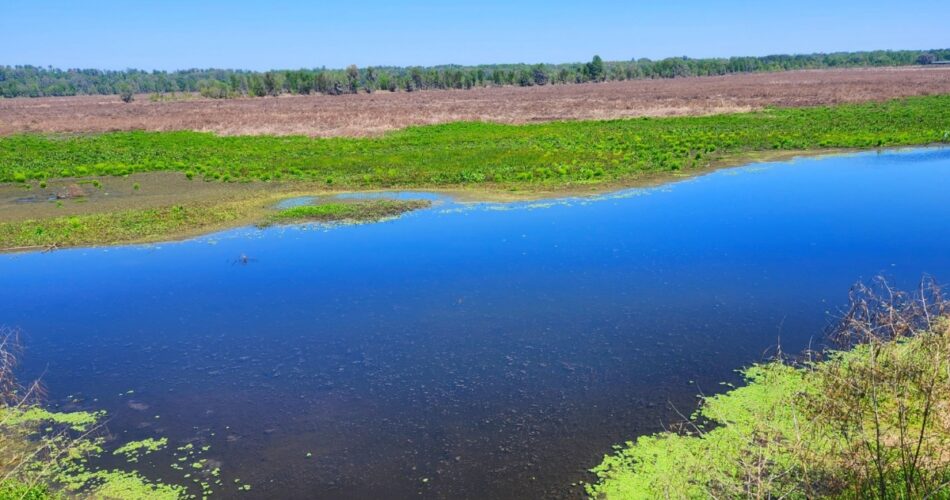
If you’re looking for a backwoods bargain in North Florida, look no further than Alligator Lake Park in Lake City. Its preserve is home to massive Largemouth bass, over 150 species of birds, and tons of gators!
As a native Floridian, I covet backwoods exploration at Alligator Lake Park. While much of Florida feels like a theme park, Lake City boasts a small town southern feel, native wetlands, and surprisingly low prices:
- Free to enter Alligator Lake Park
- Free parking
- Free charcoal grills & pavilions (first come first serve)
- Affordable family-friendly hotels throughout Lake City
Learn more about Alligator Lake Park & Lake City:
- General Park Info
- History
- Bass Fishing
- Trails
- Wildlife
- Vegetation
- Park Amenities
- Nearby Attractions
- About the Author
- FAQ
Plan Your Visit: Alligator Lake Park Hours, Fees, and Rules
| Address | 420 SE Alligator Glen, Lake City, FL 32025 |
| Days open | Tuesday–Sunday |
| Entry Fee | $0 |
| Hours (Regular) | 8 a.m. to 7 p.m. |
| Hours (Winter) | 8 a.m. to 5:30 p.m. |
| Location | The park is situated just south of downtown Lake City. The entrance is located off Old Country Club Road. |
| Parking | $0 |
| Size | About 1,000 acres |
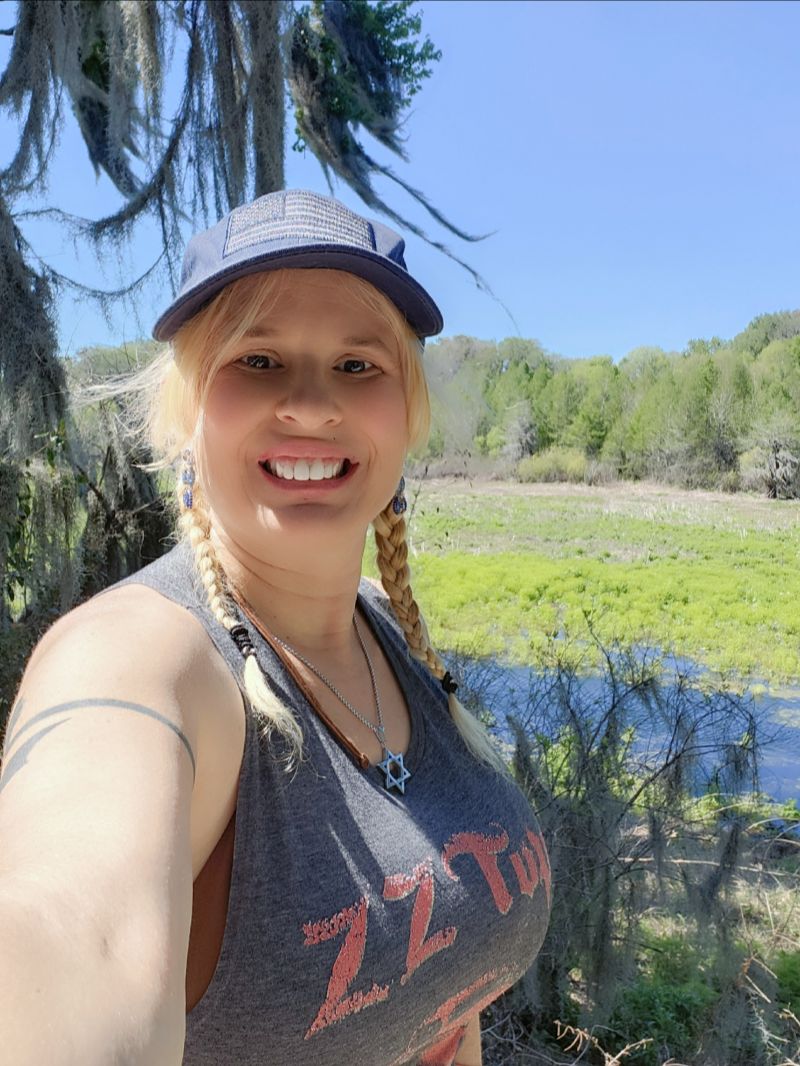
Restrictions:
- No pets allowed (strictly enforced!)
- Closed on Mondays
- No alcohol
- No open fires
- No swimming
The History of Alligator Lake
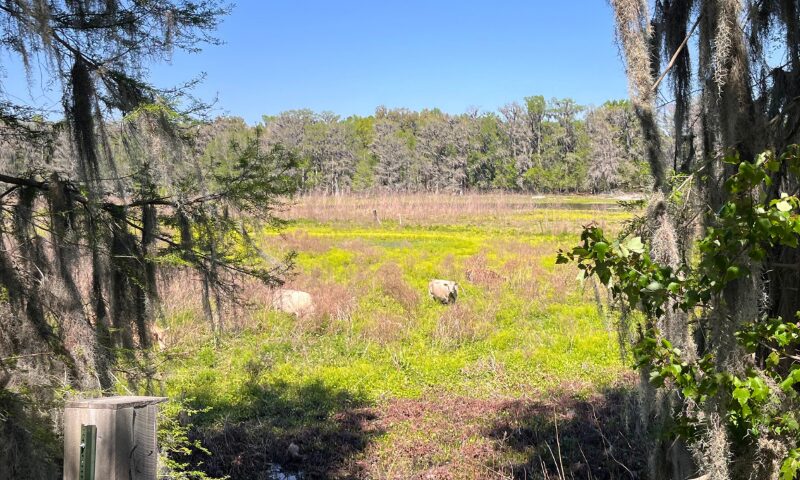
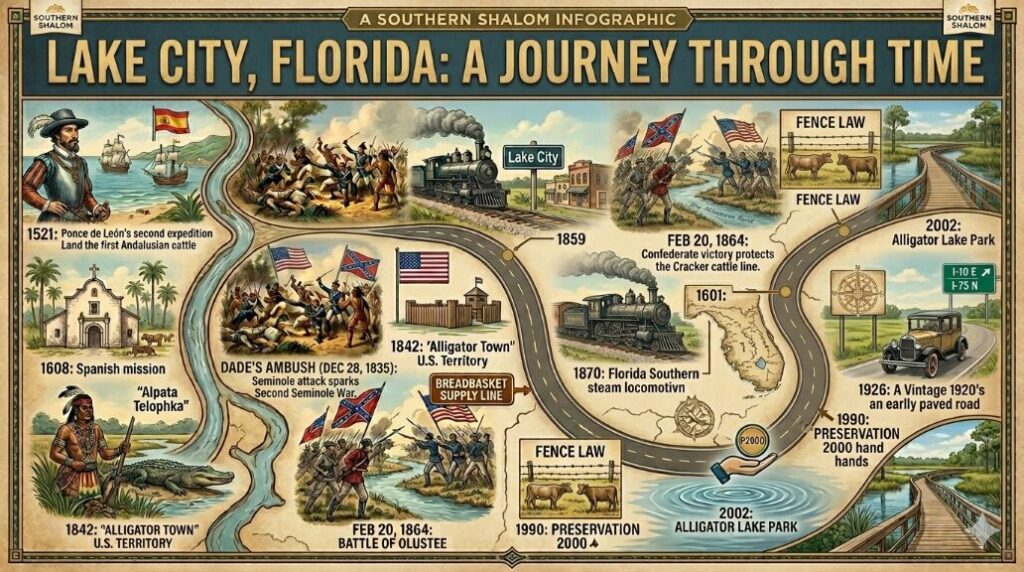
The park’s James H. Montgomery Trail follows a historic network of elevated logging tramways and levees. They were used over a century ago to haul cypress overgrowth.
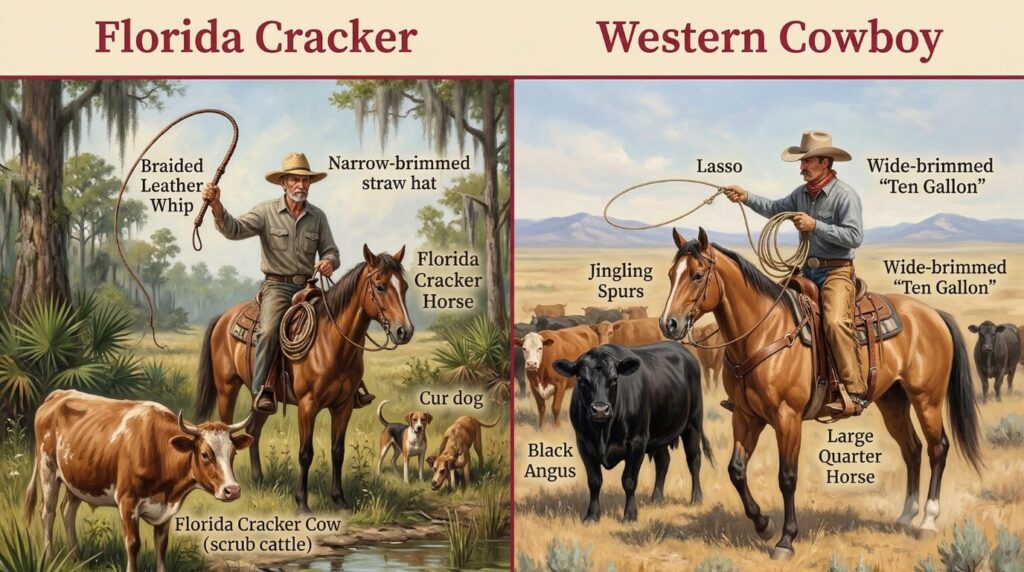
The history of Lake City is full of bloody battles and economic prowess. Above all, North Florida’s backwoods backbone is Florida Cracker culture. Florida’s cowboys are called Crackers, referring to the sonic boom of their whips.
Fishing for Bass in Alligator Lake
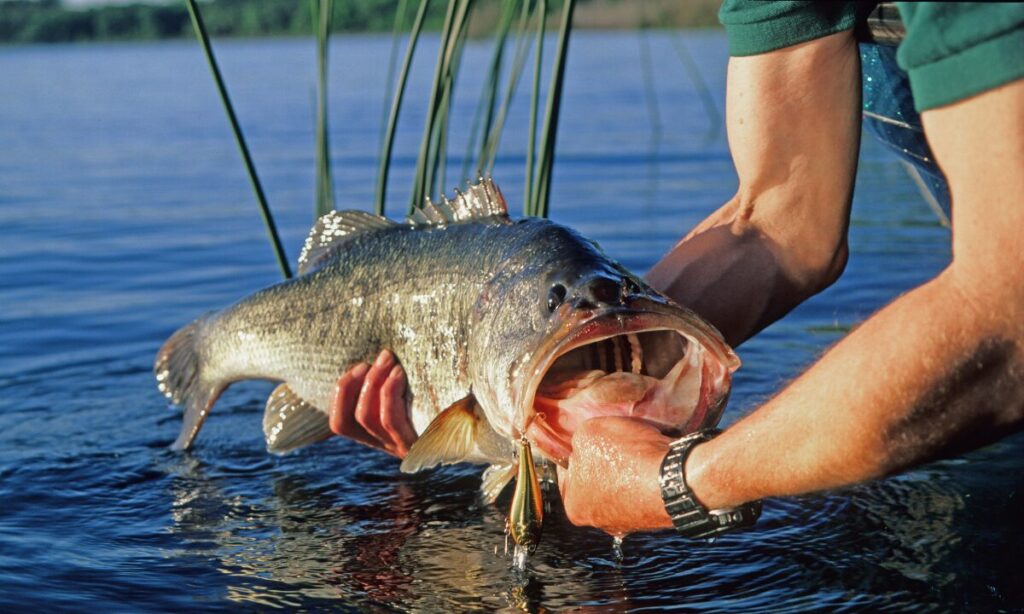
Alligator Lake is a premier spot for Largemouth Bass, featuring unique underwater structures formed by sinkholes up to 70 feet deep.
A Florida freshwater fishing license is required. Expect to pay $17 – 79 for a freshwater Florida fishing license, depending on your residency and desired length of time.
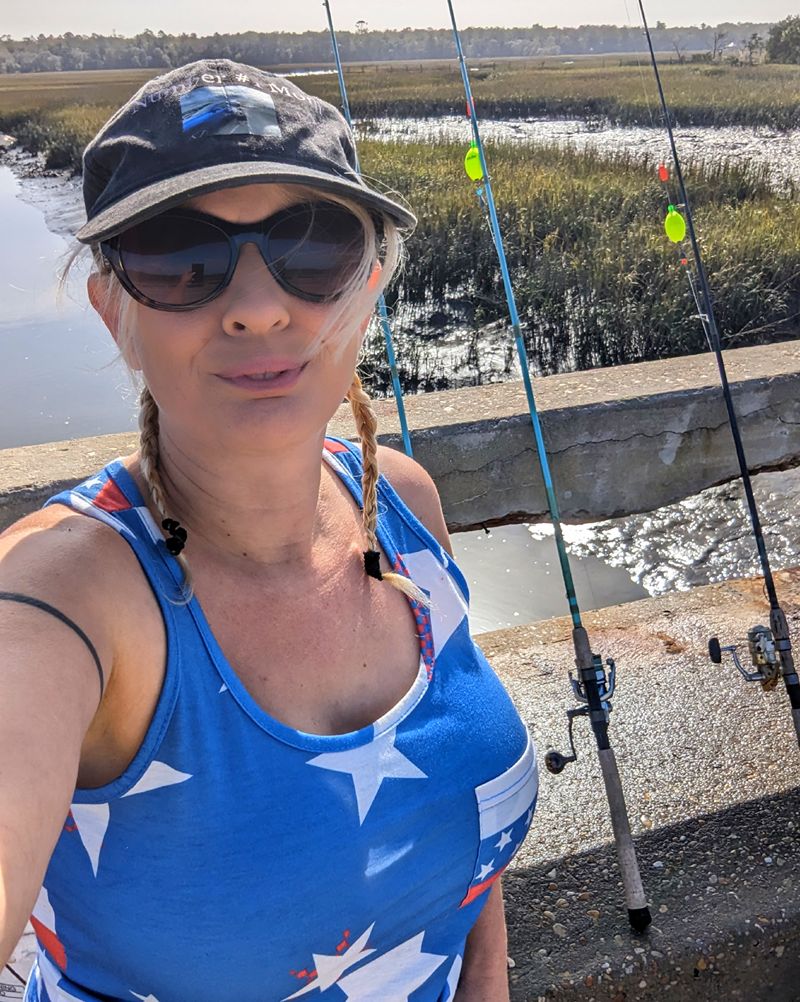
Small boats or kayaks can be launched from the north marsh canal ramp.
Alligator Lake Park’s Hiking and Biking Trails
| Trail | Length (miles) |
|---|---|
| James H. Montgomery Trail | 3.0 |
| Egret Loop Trail | 2.0 |
| Cappy’s Trail | 1.2 |
| Willow Pond Trail | 1.1 |
| Old Canal Trail | 0.9 |
| Possum Trot Trail | 0.5 |
| Deer Trail | 0.4 |
| Eagle Trail | 0.4 |
| Bobcat Trail | 0.4 |
With flat ground and well-maintained trails, all of Alligator Lake Park’s hikes are rated “easy“. However, North Florida heat is no joke. Bring plenty of water and be prepared to work up a sweat!
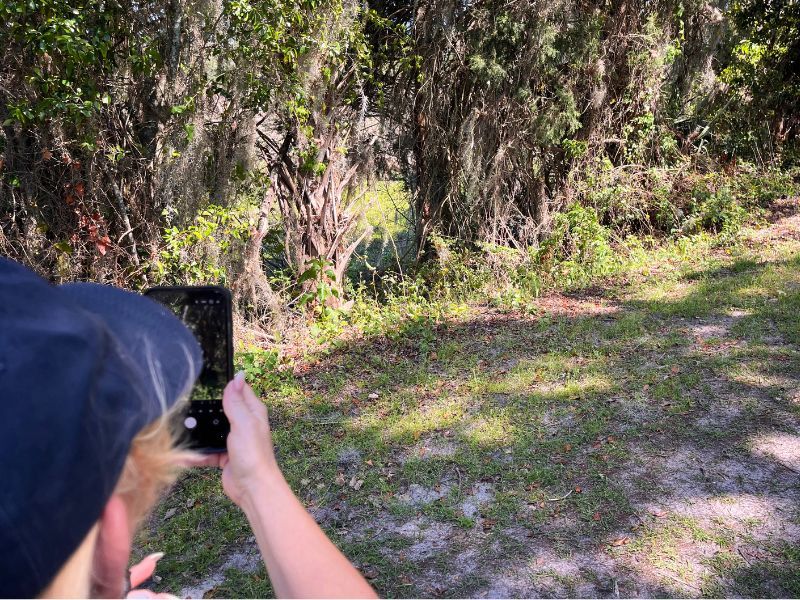
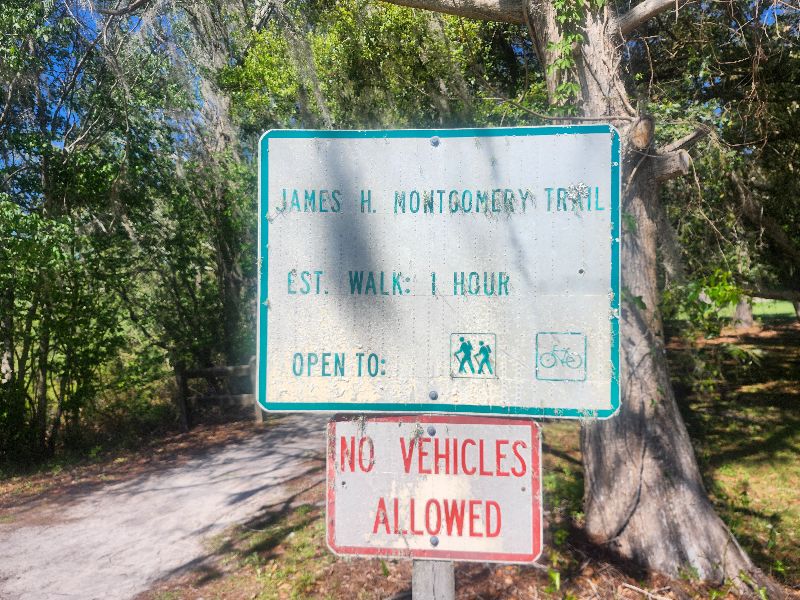
Alligator Lake Park’s premier trail is the James H. Montgomery Trail, which takes a 3 mile loop around Alligator Lake.

Hiking, running, and biking are allowed on the trails, but motorized vehicles are prohibited.
Wildlife You May See at Alligator Lake Park
Lake City’s Alligator Lake Park is the perfect place to spot North Floridian wildlife:
Alligators
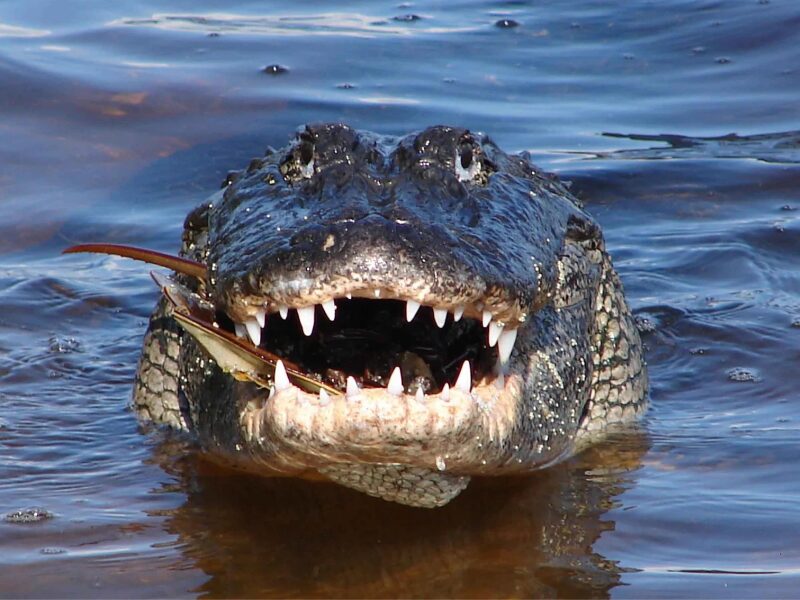
As the name suggests, Alligator Lake Park is booming with alligators:
- Species: American alligator (Alligator mississippiensis)
- Average size: 6 to 10 feet
- Bull Gators: 9 to 10 feet
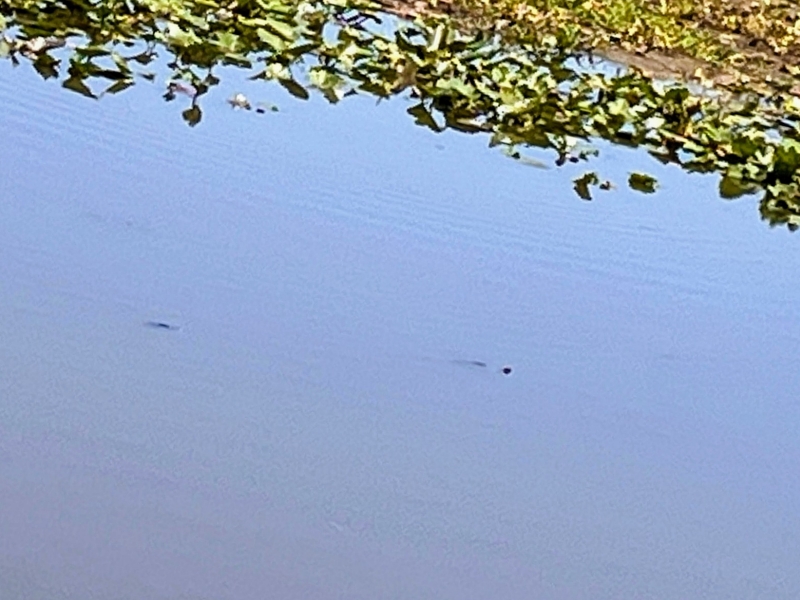
If you want to spot one, here are the best tips for alligator sightings in Lake City:
- Best seasons: Spring and Winter
- Best time: Early morning or late afternoon
- Best weather: Cool and sunny
- Best spots: Old Canal Trail and the north marsh
Birds
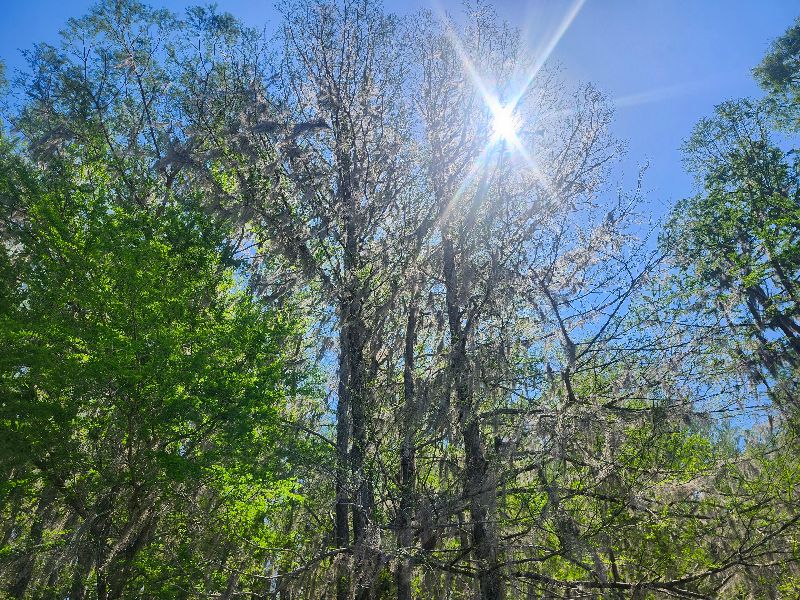
If you’re a birdwatcher, Alligator Lake Park is a stop that you don’t want to miss! The diverse mix of wetlands, open water, and hardwood hammocks make a hardy home for over 150 bird species.
Common Wading Birds & Waterfowl
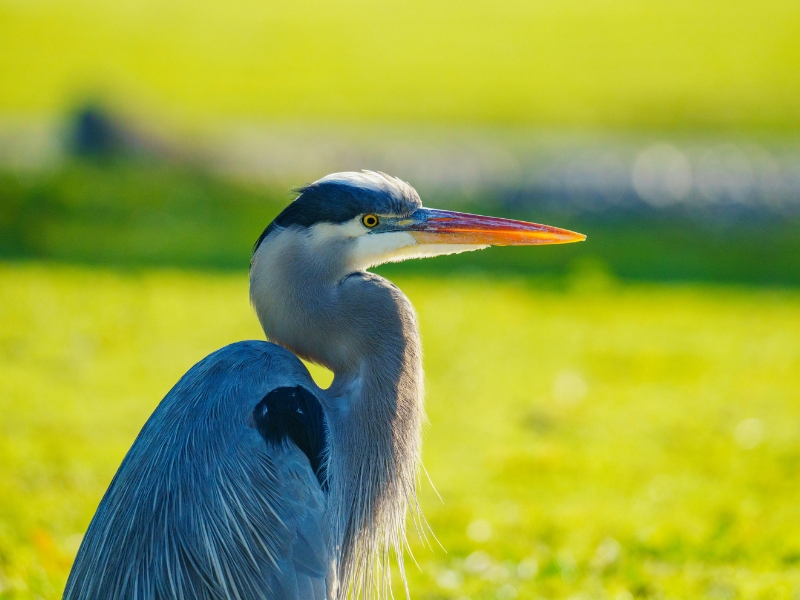
Alligator Lake and its surrounding marshes are the most reliable spots for large water birds, especially along the dike trails:
- Florida Staples: Great Blue Herons, Great Egrets, White Ibis, Anhingas
- Waders: American Bitterns during the winter, Least Bitterns in the summer
- Waterfowl: 15 species of ducks (e.g., Wood Ducks, Blue-winged Teal)
Raptors & Songbirds
The hardwood hammocks and perimeter loop provide a habitat for forest-dwelling birds and hunters:
- Birds of Prey: Bald Eagles, Various hawks
- Migrants: Migrating warblers, Thrushes, and Vireos in the Spring and Fall
- Shorebirds
- Sparrows
Rare Sightings
Keep your eyes peeled! These exotic species have been spotted at the park:
- Masked Duck
- Ruff
- Vermilion Flycatcher
- Scissor-tailed Flycatcher.
- Winter Rarities: Greater White-fronted Geese, Snow Geese
Mammals
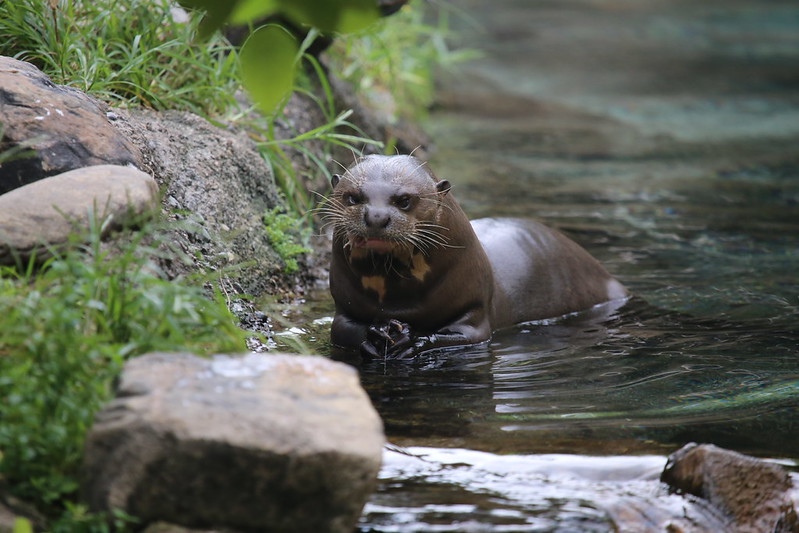
As you hike the hardwood hammocks or the James H. Montgomery Trail, keep an eye out for:
- River Otters: Frequently seen playing or hunting in the canal and marsh areas.
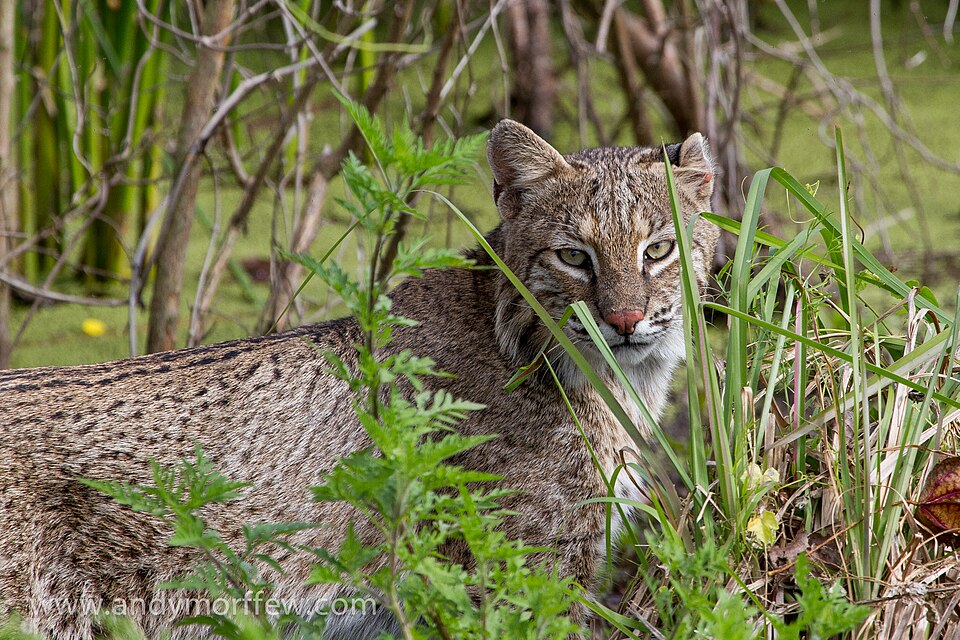
- Bobcats: Shy and mostly active at dawn or dusk. They are known to roam the quieter wooded trails.
- White-tailed Deer: Common in the early mornings near the park’s edges and thicker vegetation.
Reptiles & Amphibians
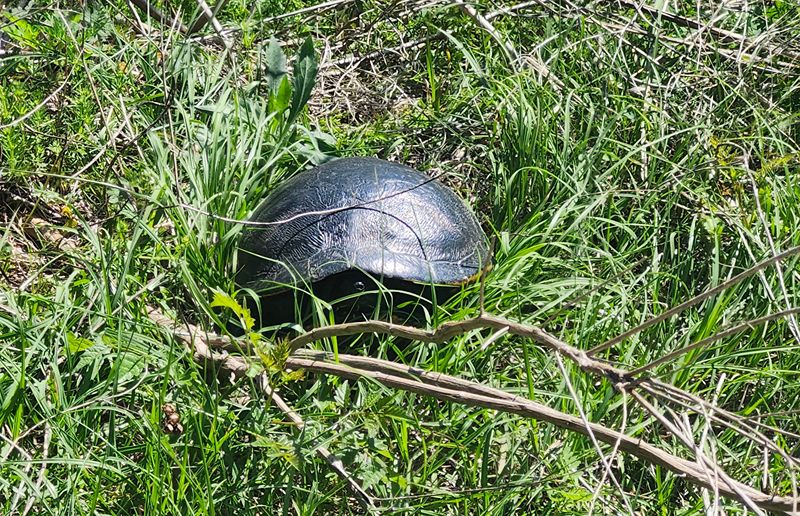
The wetlands and sandy trail edges host a variety of smaller creatures:
- Turtles: Look for Florida Snapping Turtles and Florida Cooters basking on logs.
- Lizards: You may spot Eastern Glass Lizards or scampering Green Anoles.
- Amphibians: Listen for the deep call of Pig Frogs or look for Southern Toads and the elusive Southeastern Slimy Salamander in damp areas.
Varieties of Vegetation at Alligator Lake Park
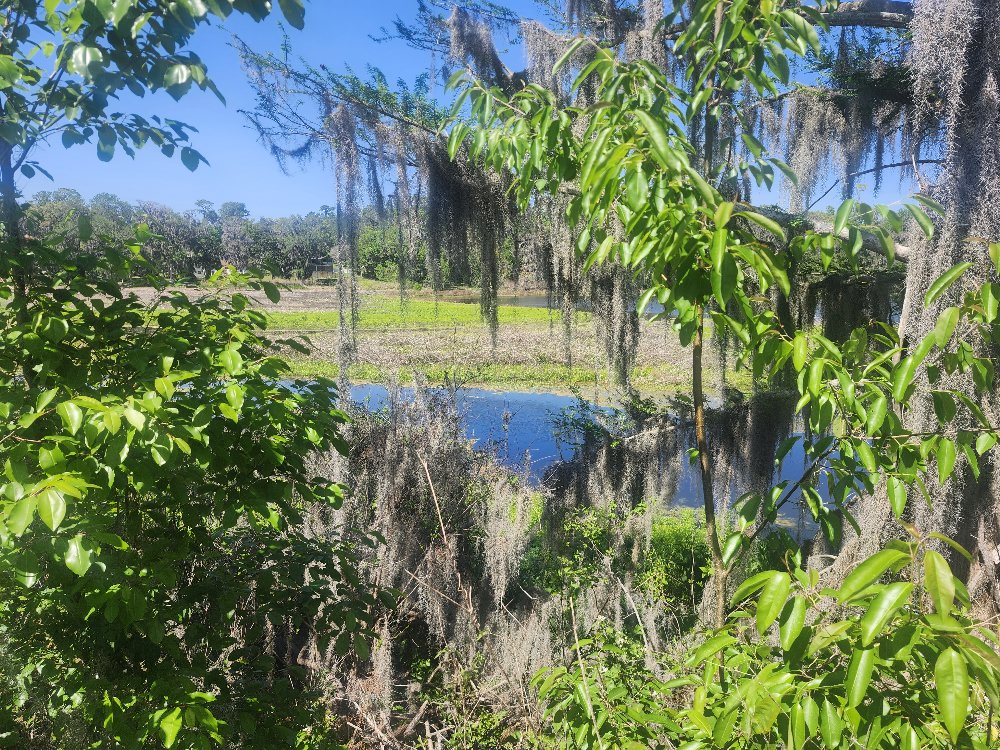
Plenty of plants grow throughout Alligator Lake Park’s grasslands and marshes, framed by swampy blackwater and Spanish moss.
| Common Name | Scientific Name | Type |
|---|---|---|
| Alligator-weed | Alternanthera philoxeroides | Invasive Aquatic |
| American Beautyberry | Callicarpa americana | Deciduous Shrub |
| Bald Cypress | Taxodium distichum | Wetland Tree |
| Duckweed | Lemna minor | Floating Aquatic |
| Pickerelweed | Pontederia cordata | Aquatic Perennial |
| Red Maple | Acer rubrum | Hardwood Tree |
| Sawgrass | Cladium jamaicense | Wetland Sedge |
| Southern Live Oak | Quercus virginiana | Evergreen Tree |
| Southern Magnolia | Magnolia grandiflora | Broadleaf Evergreen Tree |
| Spanish Moss | Tillandsia usneoides | Epiphyte (Air Plant) |
| Water Hyacinth | Eichhornia crassipes | Invasive Aquatic |
| Water Lily | Nymphaea odorata | Floating Aquatic |
Bald Cypress Tree
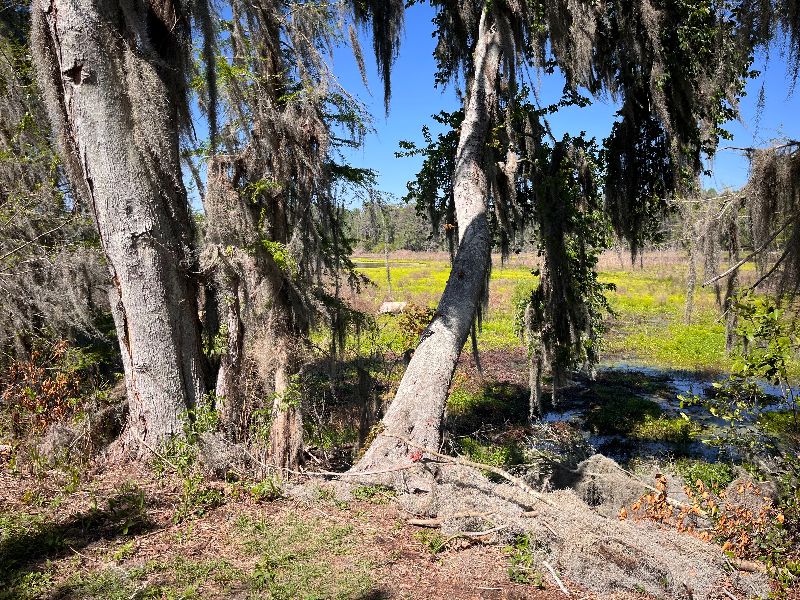
Huge, moss-draped Bald Cypress trees define the park’s landscape, particularly along the James H. Montgomery Trail.
Southern Magnolia Tree
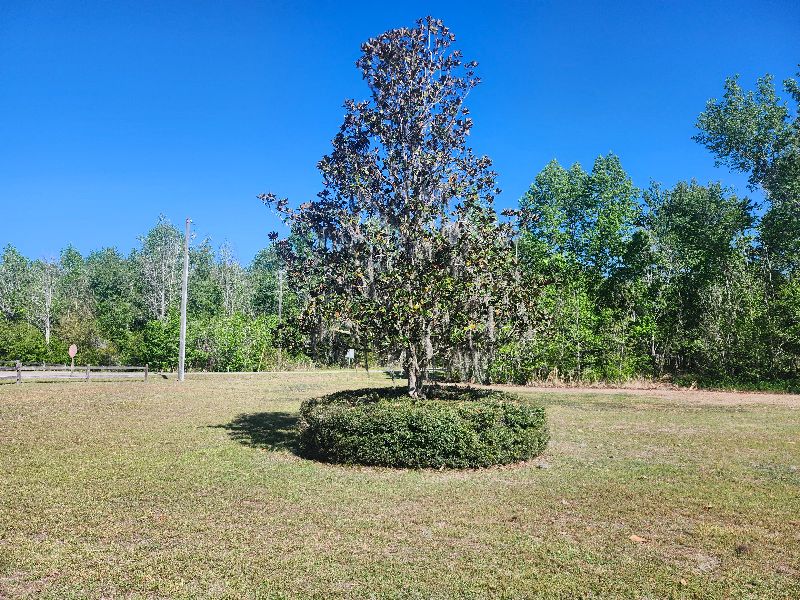
The Southern Magnolia (Magnolia grandiflora) is a quintessential evergreen tree of the American South, prized for its large, fragrant flowers and glossy, leathery leaves.
Marsh Rafts
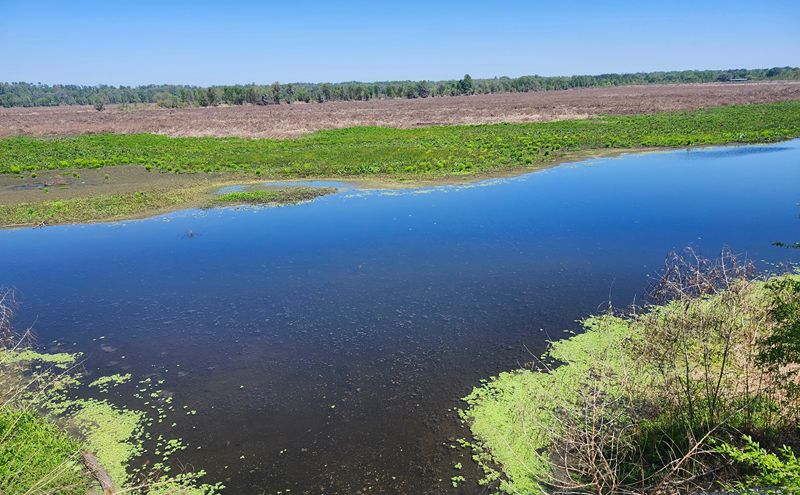
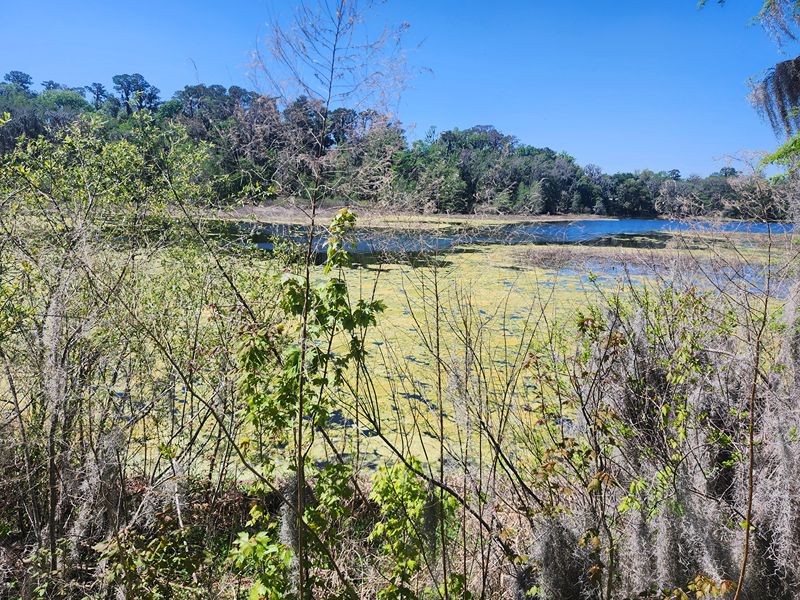
The open water is often covered in “rafts” of Water Hyacinth, Duckweed, and Pickerelweed, which provide essential cover for the lake’s bass and juvenile alligators.
Levee Canopy
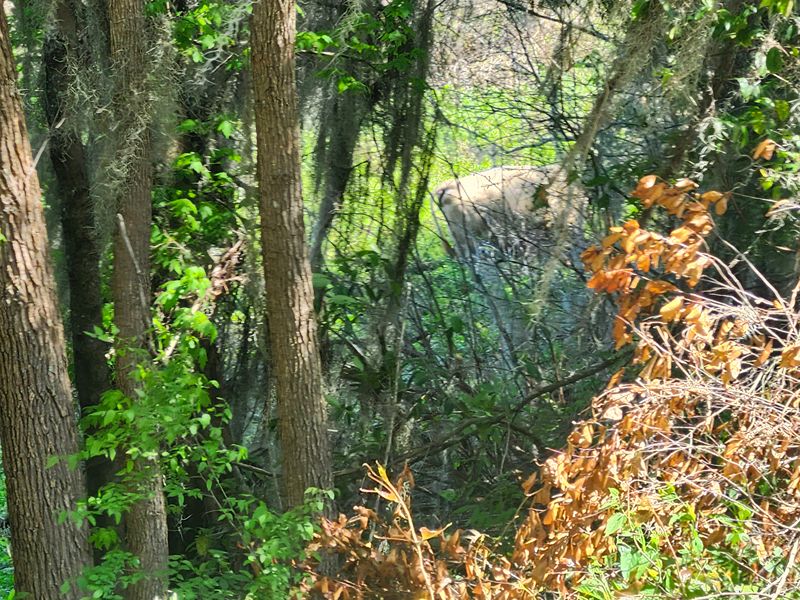
As you move into higher ground on the levees, Live Oaks and Red Maples provide much-needed shade for hikers.
Park Amenities: Playgrounds, Pavilions, and Family Facilities
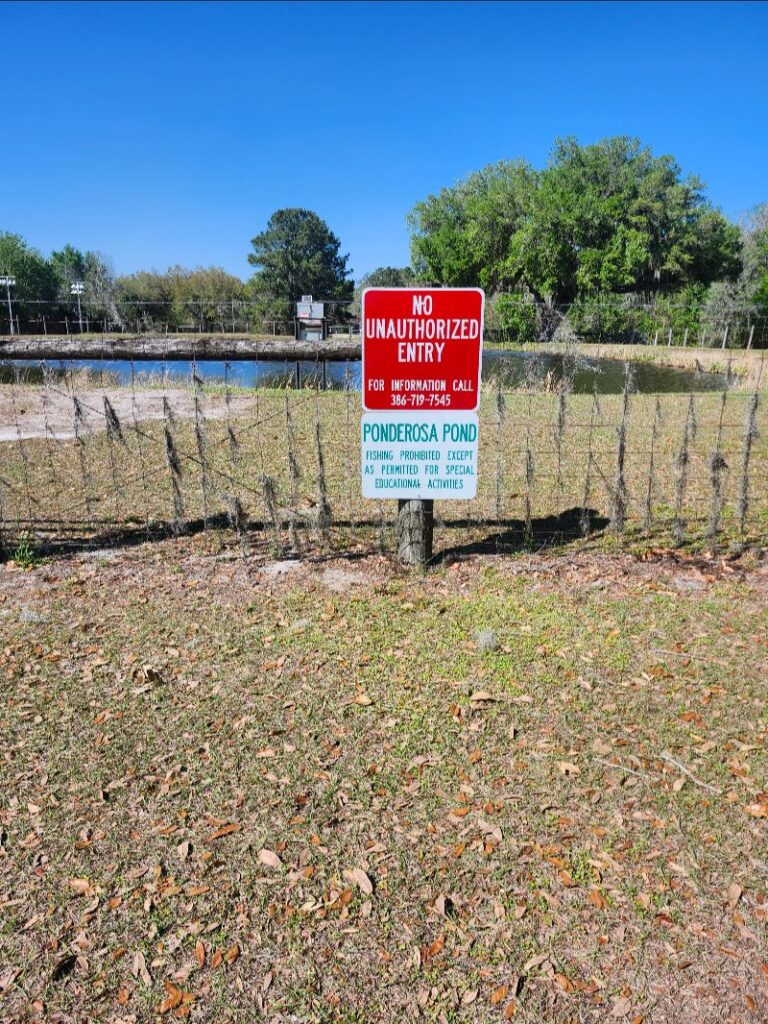
Alligator Lake Park is designed for a full day of “Backwoods Bargain” family fun with free, well-maintained facilities near the main trailhead.
Playgrounds: A large, handicapped-accessible playground features inclusive equipment and massive slides. It is conveniently located right next to the main parking area and restrooms.
Picnic Pavilions: There are 6 covered pavilions available on a first-come, first-served basis. Each is equipped with picnic tables—perfect for a post-hike lunch. The Ponderosa Pavilion is larger, screened-in, and available by reservation only.
Restrooms: Fully accessible ADA restrooms are located at the trailhead.
Sports & Games:
- Sand Volleyball Court: Located near the picnic area for casual games.
- Horseshoe Pits: Bring your own shoes and enjoy a classic backwoods game.
Water Access:
- Canoe & Kayak Launch: A dedicated ramp provides easy access to the north marsh canal for paddlers
- Small Boat Ramp: Accessible for bass boats (note: water levels can fluctuate significantly during dry spells). The boat ramp is strictly for non-gasoline powered boats.
More Backwoods Attractions Near Lake City, FL
While in Lake City, don’t miss these nearby spots for North Florida cracker culture and native nature:
- Osceola National Forest: Located just 20 minutes east of Lake City, this 200,000-acre forest is a haven for hunters and hikers. Its offers include hiking, fishing, and primitive camping.
- Olustee Battlefield Historic State Park: Nestled within the Osceola National Forest, this is the site of Florida’s largest Civil War battle.
- Ichetucknee Springs State Park: About 25 minutes south in Fort White, it’s the perfect spot for swimming or tubing. The crystal-clear, 72-degree spring run is a refreshing rest stop while in the sweltering North Florida sunshine.
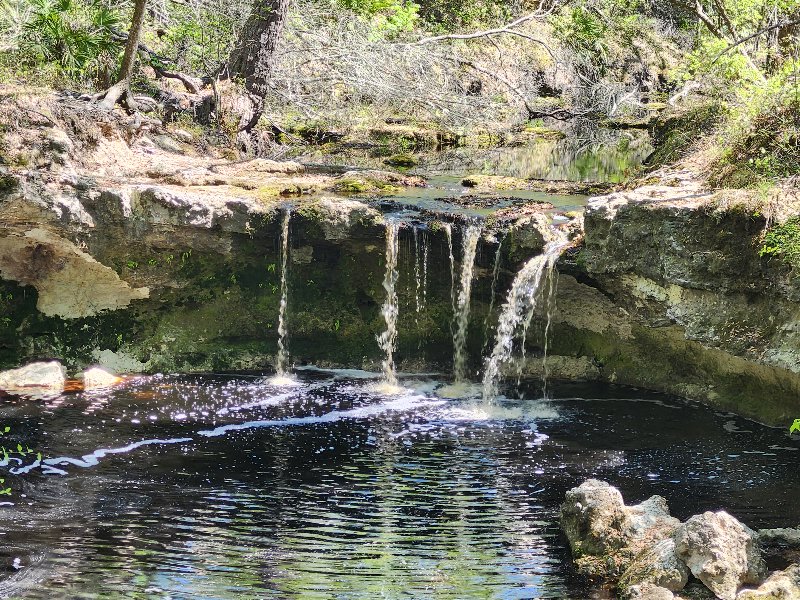
- Falling Creek Falls: Lake City’s hidden gem is a 10-foot waterfall that flows over limestone rocks. At Falling Creek Falls’ trail fork, choose between continuing to the falls, or backbacking down the backwoods Santa Fe River bank.
About Daisy Chain
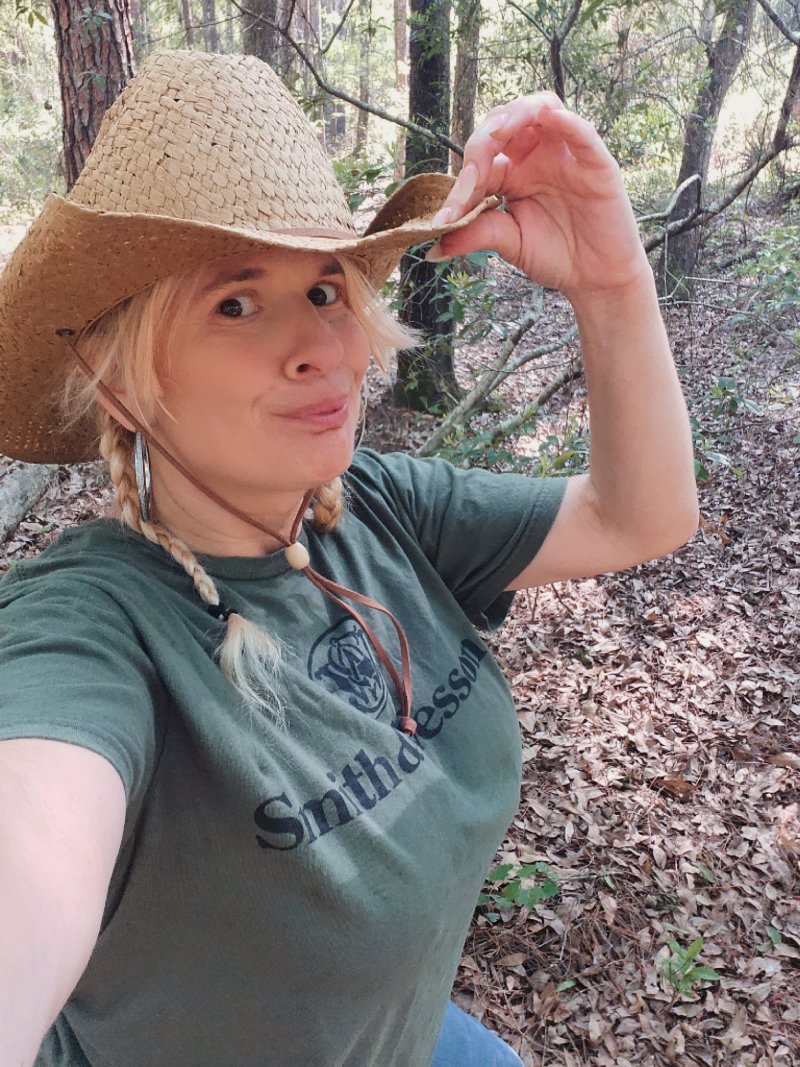
Shalom, y’all! I’m Daisy Chain.
Your new,
Daisy Chain
favorite redneck Jew.
From the hills to the bayou,
I bring the backwoods to you.
Don’t let the woke media tell our story! Instead, consider supporting true southern soul by buying me a beer.
My mission is to shed light on the hidden American South with unfiltered facts, history, and travel info.
You can also support me by following me on:
Making quality content takes a lot of time and resources. Your help is needed and much appreciated. Thank you for your support.
FAQ About Alligator Lake Park
1. How much does it cost to enter Alligator Lake Park?
Admission is typically $0. It’s free to both enter and park at Lake City’s Alligator Lake Park.
2. Can you swim in Alligator Lake?
No, swimming is not permitted at Alligator Lake Park. As the name suggests, the lake is a natural habitat for alligators. For swimming, locals typically head to nearby Ichetucknee Springs or Ginnie Springs.
3. Are dogs allowed at Alligator Lake Park?
No, alligators and other wildlife might eat them!
4. What are the best things to do at Alligator Lake Park?
The park is a premier destination for bass fishing, bird watching, and hiking. With over 12 miles of trails, it offers some of the best nature walks in North Florida.
5. Where is Alligator Lake Park located?
Alligator Lake Park is located in Lake City, Florida, just a short drive from I-75. It serves as a perfect nature stop-off for travelers heading through North Florida who want to avoid the crowds of larger state parks.
6. Is there a boat ramp at Alligator Lake?
Yes, there is a public boat ramp available for fishing or exploring. However, be mindful of water levels and the heavy vegetation typical of Florida wetlands.