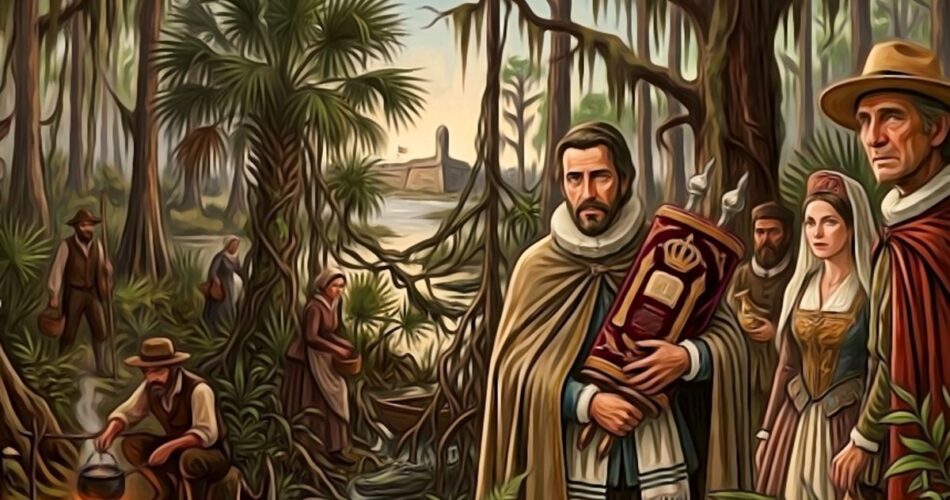
Did you know that Crypto-Jews were among Florida’s first settlers? During the Spanish Inquisition, they hid their faith to escape. Defying all odds, they endured on the Florida frontier.
Although their saga is filled with sorrow and danger, Sephardic Jews eventually found solace in the swamp. As a native Floridian (and your new favorite redneck Jew), I am proud to bring you their forgotten story.
In this article:
- Who are Sephardic Jews?
- What’s a Crypto-Jew?
- Cryptic Jewish Traditions
- St. Augustine: America’s First Jews
- Santa Elena: Increasing Jewry
- American Freedom in Florida
- Carpetbaggers Carry in Racism
- Jewish Life in Florida Today
- My family’s background
Who are Sephardic Jews?
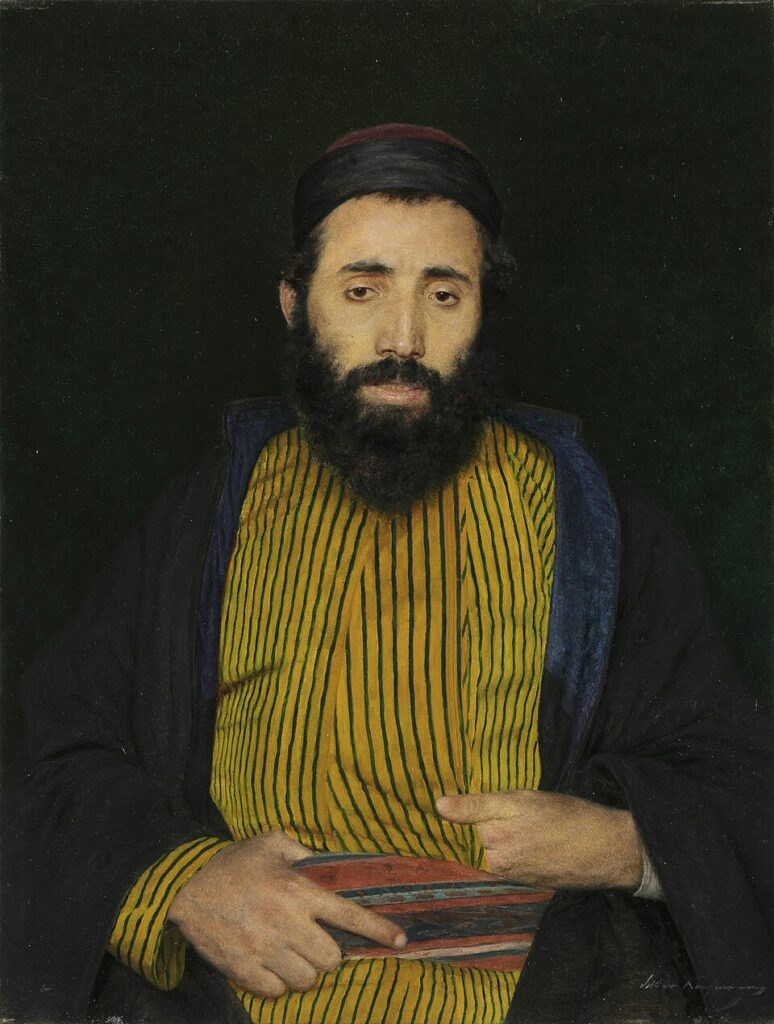
Sephardic Jews are the descendants of Jews who lived in Spain and Portugal. The term comes from Sepharad, the Hebrew word for the Iberian Peninsula.
While archaeological evidence confirms Jewish migration to the peninsula by the 2nd century, Sephardic oral tradition traces it back to the era of King Solomon.1 Regardless, Jews flourished there for centuries.
However, that golden age ended in the late 15th century, when the Spanish Inquisition started:
- Many Sephardic Jews were killed.
- Others headed towards the promised land, settling in the Middle East and North Africa.
- A brave few escaped into the New World.2
What’s a Crypto-Jew?
Crypto-Jews are Jews who hid their faith to avoid persecution during the Spanish Inquisition. Several Sephardim converted on paper, while secretly celebrating their Jewish faith.3
There were few options for Sephardic Jews:
- Convert to Catholicism
- Flee from the Spanish
- Get killed
Back then, new converts were called Conversos, which means New Christians. Since practicing Judaism was banned from the New World, Florida’s first Jewish settlers had to arrive as Crypto-Jews.
Crypto-Jewish Traditions: Secret Rituals in Swamp
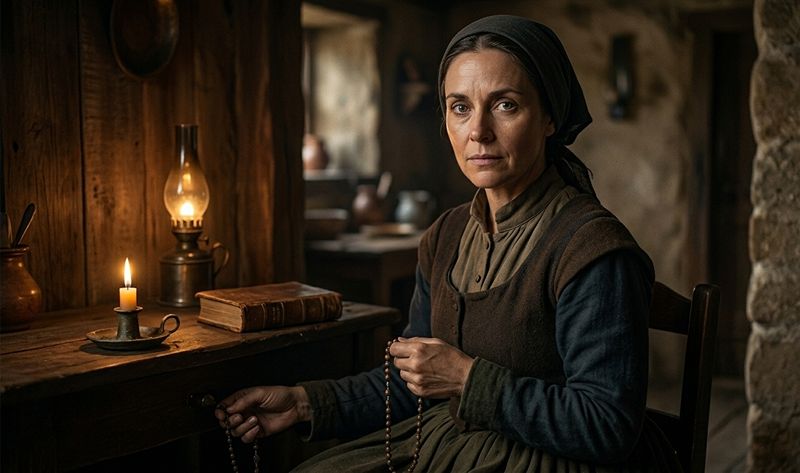
Crypto-Jews were among the first settlers to set foot on Florida’s sand.4 While pretending to be Catholic, they snuck Jewish traditions into the swamp.5
Pork Substitution & Avoidance: To blend in, settlers often cooked with unkosher swamp proteins like scaled fish, turtle, or gator. They thought these were cleaner than pork. Additionally, they often claimed a “sensitive stomach” to avoid eating pork at community meals.
Friday Night Candle Light: Families would light candles on Friday evenings but place them inside cupboards, under tables, or deep within the hearth to hide them from neighbors.
Modified Mourning Customs: While participating in Catholic burials, some families secretly maintained the tradition of covering mirrors in the home or pouring out standing water after a death. It’s a Jewish custom meant to protect the soul.
The “Clean Shirt” Sabbath: Since working on Saturday was mandatory to appear Christian, many would honor the Sabbath by simply wearing a clean undershirt or a specific piece of jewelry.
Biblical Naming Patterns: Parents often chose names for their children from the Old Testament, such as David, Samuel, and Isaac.
St. Augustine: The First Jews in America
Most Jewish American history books starts in 1654 New Amsterdam. However, the Spanish established St. Augustine in 1565, decades before the Mayflower set sail. And Sephardic Jews crept into its foundation.
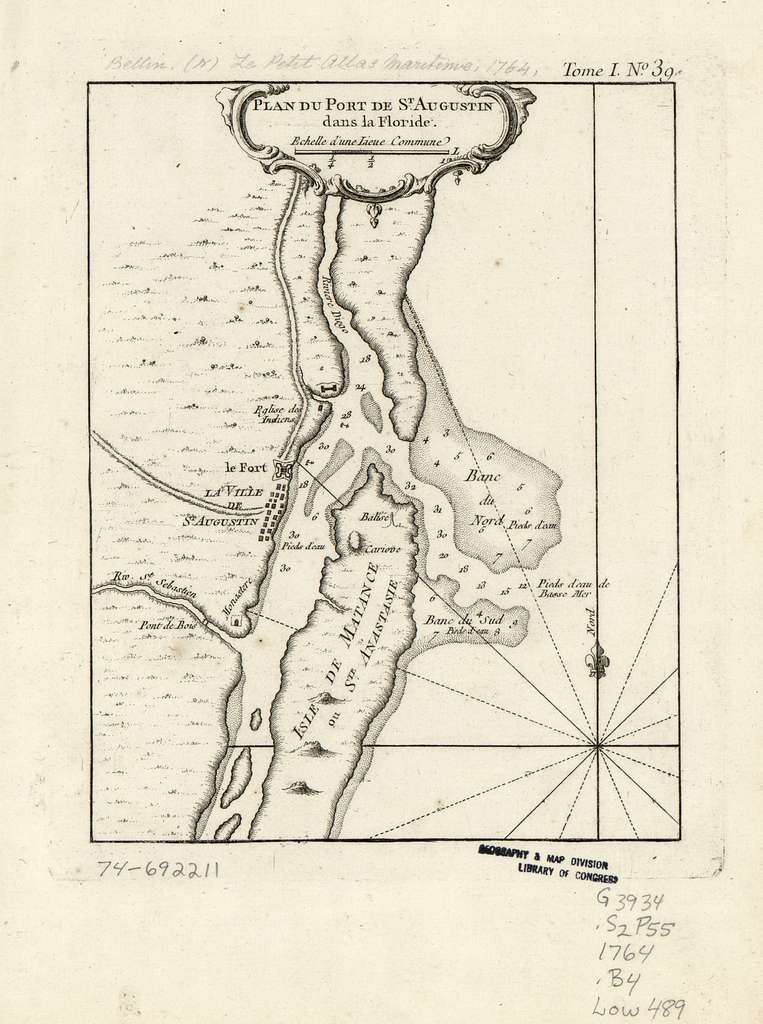
It’s theorized that 150 to 300 of St. Augustine’s original settlers were those fleeing the Inquisition.6
Purity of Blood in the New World Order
To enter the New World, settlers normally had to prove Limpieza de Sangre (Purity of Blood), meaning no Jewish or Muslim ancestory.7 However, that was sometimes waived to get Spaniards settled in Florida’a swamp.
Additionally, the St. Augustine Jewish Historical Society identified at least five Jewish conversos in the first fleet that reached St. Augustine (Pedro Menéndez de Avilés’s ship). The most famous is Harbor Pilot Antonio Martinez Carvajal.
A harbor pilot is a highly skilled maritime expert who boards incoming vessels and safely navigates them through dangerous water.
Jewish Family Roots Run Loose
Runaway Jews were seldom solo. Instead they planted family roots in the Florida frontier. For example, Antonio Martinez Carvajal was later joined by his relatives:
- Cristobal Carvajal (1566)
- Pedro de Carvajal (1578)
Jewish roots stood strong in Florida’s founding towns, and the evidence still shows in modern Cracker DNA. In fact, geneticists have identified specific telltale markers in Sephardic populations that appear in many colonial-era Florida family bloodlines.8
Science Meets Tradition: The practice of pouring out water and covering mirrors is a classic mark of Crypto-Jewish bloodlines. The practice persisted for centuries, often appearing in modern DNA-linked families who had forgotten why they performed those specific rituals.
Santa Elena: Florida’s Forgotten Capital with Jewish Roots
Just one year after St. Augustine, the Spanish established Santa Elena on Parris Island (200 – 250 miles from St. Augustine). For over a decade, it served as the capital of Florida.
Colonial records imply the existence of a Converso trade network between St. Augustine and Santa Elena. Families like the Carvajals used their roles as maritime pilots to move people and goods between these two outposts.6
When Santa Elena was eventually abandoned, these secret Jewish families retreated to St. Augustine, cementing their roots in the Florida swamp.
Skyrocketing Jewish Success: When America Freed the Swamp
Since the American Revolution, Jews from around the world dreamed about American religious freedom. Then, in 1818, Florida began transitioning to American rule. So, a Caribbean Jew named Moses Elias Levy took a trek to Florida.
Moses Elias Levy
- Sephardic Jew
- Born in Morocco
- Raised in Gibraltar (southern tip of the Iberian Peninsula)
- Made a fortune in the Caribbean
Unlike the earlier “hidden” Jews who lived in fear, Levy was an open, devout Jew with a beautiful vision. He wanted to build a refuge for Jews facing persecution.
Alligator Town
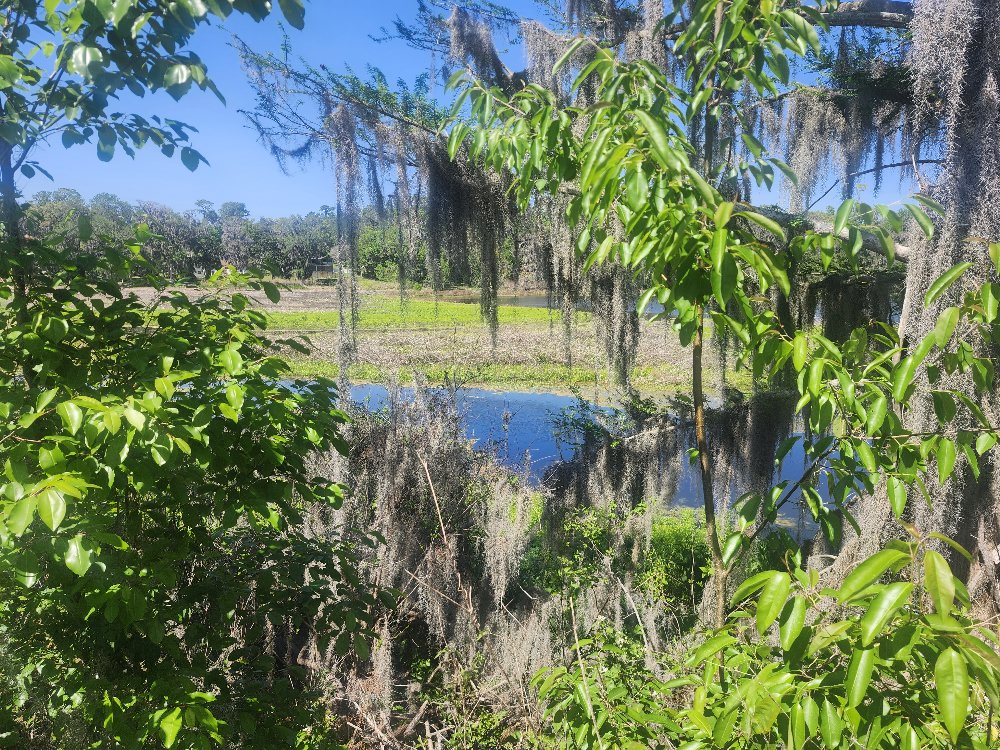
Back in 1818, Lake City was called Alligator Town. After saving up his shekels, Levy purchased a 36,000-acre plot in Alligator Town.9 But this was merely a stepping stone.
He knew the cost of that land would skyrocket once the Americans took complete control of Florida. It was a savvy investment that would finance the next leg of his journey—Pilgrimage Plantation.
Pilgrimage Plantation
Levy’s goal was to rescue Jews from the “moral and physical degradation” of the Old World. He believed that by bringing them to Florida, they could achieve spiritual and economic independence. He used his Alligator Town property to pay for a plot two miles northwest of Micanopy.10
Settlers: Levy recruited 50 to 100 settlers, including several Jewish families from Germany and New York.
Work: They cultivated sugar cane, corn, and vegetables.
Religion: It was an openly Jewish community. Levy provided kosher meat and mandated Sabbath observance.
Second Seminole War
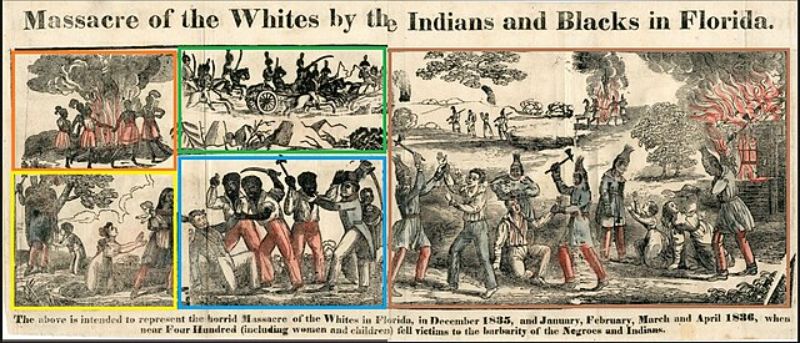
In 1835, during the outbreak of the Second Seminole War, Pilgrimage Plantation was in the line of fire. Hence, its settlers were forced to flee to St. Augustine for safety. The Seminoles eventually burned the plantation to the ground, and the Jewish families never returned.11
David Levy Yulee: The Jew Who Wrote Florida’s Constitution
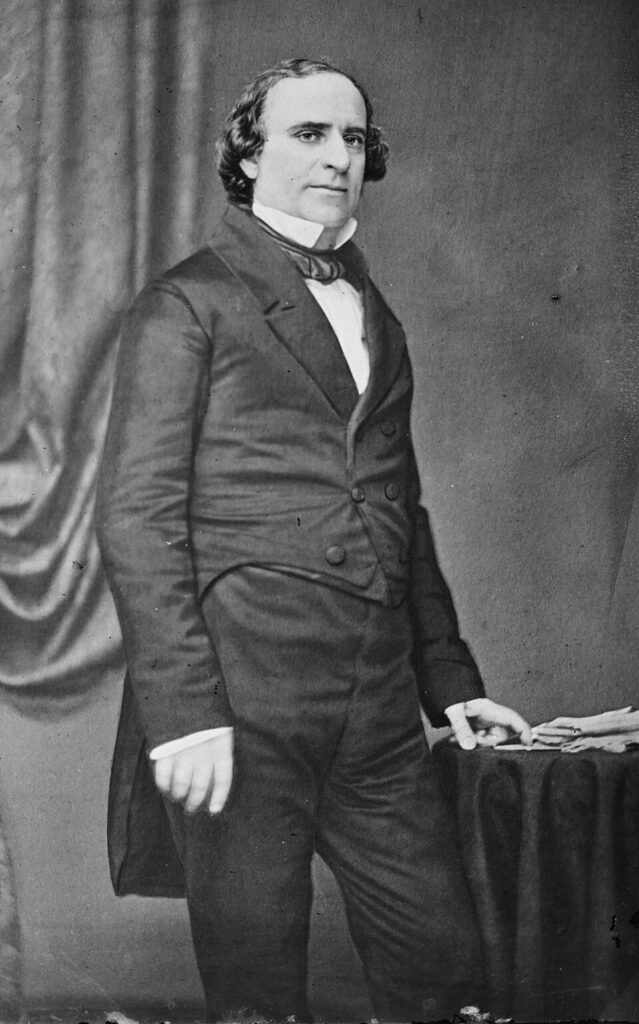
Moses Elias Levy’s most notable son is David Levy Yulee. Like a Phoenix, Yulee rose from Pilgrimage’s ashes. He ensured life, liberty, and the pursuit of happiness in the Sunshine State.
Yulee’s contributions to Florida:
- As a lead delegate to the 1838 Florida Constitutional Convention, he had a heavy hand in Florida becoming a state (1845).
- Known as the “Father of Florida Railroads,” he connected the Atlantic to the Gulf.
- He was the first Jew to serve in the U.S. Senate (1845).
However, he and his dad didn’t always see eye to eye. While Levy proudly paraded his Jewish heritage, Yulee preferred to assimilate. Nonetheless, the apple didn’t fall far from the tree.
Yulee’s contributions to Jews in Florida live on to this day:
- Engineered Florida’s public policy, putting a point on religious freedom.
- Built infrastructure that welcomed Jews, and anyone else who was willing to work hard and utilize the land.
- Kept antisemitic exclusion out of Florida’s developing industries.
Representative Yulee built the foundation that allowed Florida Jews to feel welcome for decades to come.
Carpetbaggers Carry Racism into South Florida

Throughout the centuries, Florida was one of the best places for Jews to live. It offered privacy and economic opportunity to those with grit. However, in the late 19th century, there was a small smudge of hate. Interestingly, that hate didn’t come from Florida Crackers. Instead, it was imported by Yankees.
Henry Flagler Reshapes South Florida
Henry Flagler saw Southeast Florida’s potential as a high-end vacation spot, targeted towards northern aristocrats. This vision made him a fortune, while causing the Yankee-ification of South Florida.
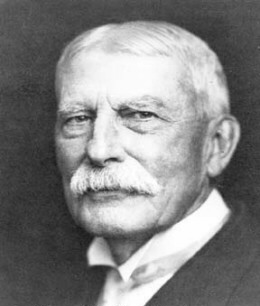
Flagler’s name receives regional fanfare, as the father of South Florida’s infrastructure. Most notably, he built the first railroad that went all the way down to Key West. But, by the turn of the 20th century, he controlled most of Southeast Florida (Palm Beach to Key West).
Yankees Clash With Cracker Culture
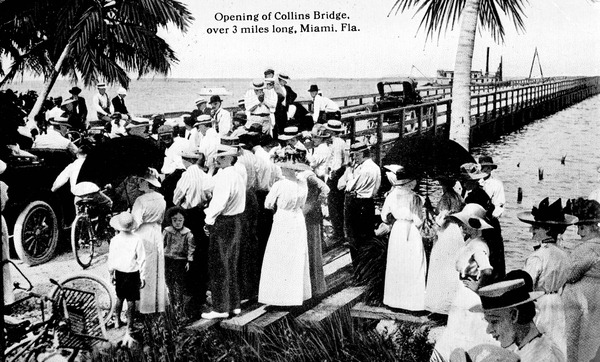
Carpetbaggers came to change South Florida’s landscape and culture. Whereas Crackers only cared about a man’s character and skills, these elites from the northeast obsessed about status, race, and religion. Similar to today, except they didn’t disguise their hate.
To accommodate the Yanks, Flagler let them eat cake:
- “Gentile-only” policies banned Jews from Flagler’s hotels, neighborhoods, and tourist attractions.
- Blacks were banned from his luxury resorts and front‑facing parts of Palm Beach, Miami, and St. Augustine. They were strictly segregated elsewhere.
- Enforced Florida’s “color line”, where blacks were only allowed to live in specific areas around where Dixie Highway and I-95 are today.
- Segregated labor camps employed blacks, convicts, and immigrants.
- Restricted was the “polite” Yankee way developers described hotels and neighborhoods that didn’t allow Jews and Catholics.
Flagler upheld his rules from the 1880s until his death in 1913. But even after his death, his legacy lived on.
Many of South Florida’s high-end hotels and country clubs excluded Jews until the 1950s. They advertised to Northerners saying “Gentiles Only” or the vile slogan, “Always a View, Never a Jew”.14
The State of Florida Steps In
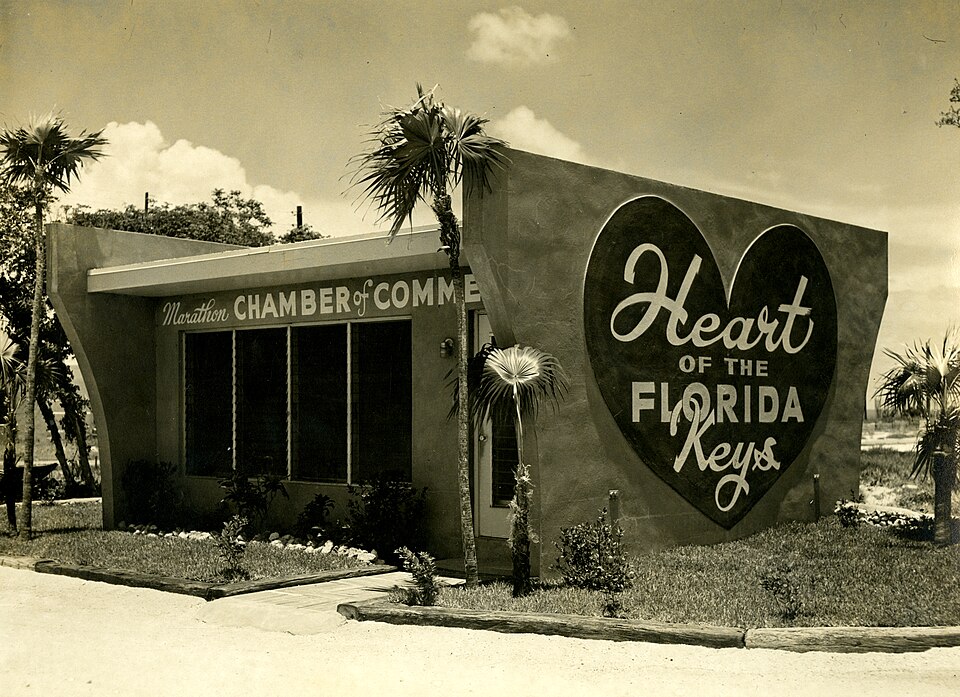
In the mid-20th century, Henry Flagler’s anti-Jewish legacy was demolished by state and local authorities:
- 1949/1950: Miami Beach’s Anti-Discrimination Ordinance is a landmark ordinance that banned discriminatory signs.
- 1959: The Florida Supreme Court ruled that antisemitic real estate restrictions were unconstitutional. David Levy Yulee’s founding vision prevailed, securing peace and inclusion for Florida’s Jews.
During the same decade, the ADL’s “Crack the Code” Campaign also pressured Florida’s tourism industry to stop excluding Jews.
Finally, South Florida welcomed Jewish travelers. Then, in the 1970s (when central air conditioning became affordable) an influx of Jewish families started relocating to Dade, Broward, and Palm Beach County.
The Growth of Modern Jewish Life in Florida
Today, Florida stands as a beacon of Jewish life. American Jews widely regard it as one of the safest states. After the October 7th massacre, antisemitism amped up in states like New York, Colorado, and California.15 In contrast, Florida kept its schools and streets safe for Jews.16
Although Florida has the second-largest Jewish population in the United States, New York may not hold onto that #1 spot for long! Jewish New Yorkers are relocating to South Florida in droves, trying to escape New York’s antisemitic rise and economic decline.
Miami
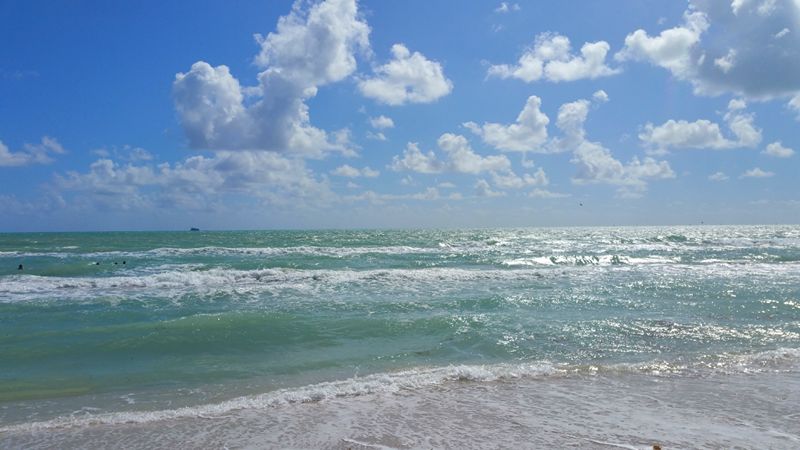
Known as the historic heart of Florida’s Jewish community, Miami Beach became a global sanctuary for Jewish families and Holocaust survivors. Today, it remains a vibrant hub of Sephardic and Ashkenazi culture.
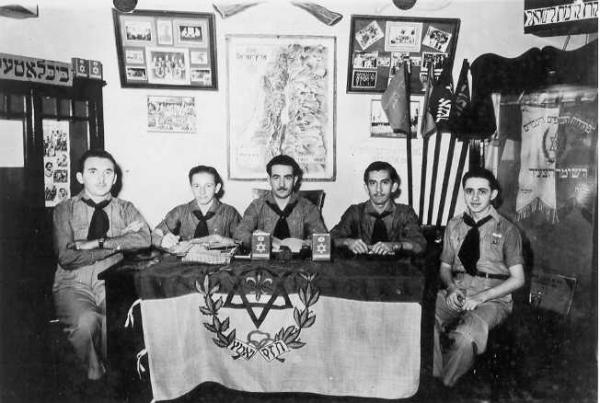
After Cuba’s fall to communism, Cuban Jews fled to Miami. They established a unique “Jewban” identity, complete with cuisine and learning centers.
Jacksonville

Jewish presence in Jacksonville dates back to the 1840s when Jewish merchants helped rebuild the city after the Civil War. It remains a significant center for Jewish life in North Florida.
Mizrahi Jews in Hollywood
Hollywood, Florida, is home to a vibrant Mizrahi Jewish community. After exile from Israel, Mizrahi Jews stayed closest to home. They settled in places like Iraq, Iran, and Morocco. Consequently, they tend to be the Jews with the highest percent of Levantine DNA.
Hollywood’s Mizrahi community often gathers in local Sephardic-style synagogues that preserve the unique liturgical traditions and minhagim (customs) of the Edot HaMizrach (Communities of the East).
Sephardic Connection: Many of the Sephardic Jews who stayed in the Old World, settled in Mizrahi communities. Those Sephardic Jews are very similar to Mizrahi Jews in just about every way.
Boca Raton: The Most Jewish Place I’ve Been

Often considered the modern epicenter of American Jewish life, Boca Raton features one of the highest densities of Jewish residents outside of Israel. The city is famous for its robust network of Jewish day schools and kosher restaurants.
Fun Florida Fact: Boca Raton means “the mouth of the rat”. When the Spanish came, they thought the coast line was in the shape of a rat’s mouth.
Beverly Hills: Modern Jews in Cracker Country
Tucked away in the Nature Coast, this small community serves as a unique pocket of Jewish life in a predominantly rural area. Originally developed with an eye toward retirees, it hosts a dedicated Jewish community center and the Beth Sholom congregation.
Daisy Chain’s Jewish Roots

My grandparents grew up in Russia’s Pale of Settlement, witnessing the start of the Russian Revolution. Once the commies got control, they killed most of my family. Only 5 of them made it to America.
When my family got off the boat, they dropped to their knees and kissed the ground. Beaming with joy and gratitude, they savored the American soil. My elders sometimes spoke Yiddish, but never muttered a word of Russian again.

It was a hoot when someone tried calling my grandma “Russian”. She’d sternly declare, “I’m not Russian, I am American!” followed by a passionate lecture on her patriotism and the hard times she endured. Bertha knew she earned her citizenship, and made sure I appreciated having that right passed down.
G-d bless America! Please help me tell more of the South’s hidden history: Buy Daisy a Coffee
Sources
- Flagler College. (n.d.). SEMINAR: The history of the Jewish community in St. Augustine during the Spanish colonial period.
- Talbott, R. D. (2022). Jews are expelled from Spain. EBSCO Research Starters.
- Jerusalem Post Staff. (2022, August 16). St. Augustine Jewish Historical Society to mark 457th anniversary. The Jerusalem Post.
- D’Amato, L. (Host). (2026, March 10). Digging into St. Augustine’s Jewish history with Rabbi Merill Shapiro (Season 1, Episode 1) [Audio podcast episode]. In Unpacking Florida’s Jewish History. Apple Podcasts.
- Florida’s Historic Coast. (n.d.). St. Augustine’s Jewish history & heritage.
- Heritage Florida Jewish News. (2016, July 15). Society for Crypto-Jewish Studies confirms St. Augustine Jewish Historical Society hypotheses.
- Rodriguez-Sánchez, I. (2021, September 15). Limpieza de Sangre: Legal applications of the Spanish doctrine of blood purity. Law Library of Congress.
- Ostrer, H. (2012). Legacy: A genetic history of the Jewish people. Oxford University Press.
- Monaco, C. S. (2002). Settlers, bureaucrats, and private land claims: The “Little Arredondo Grant“. Florida Historical Quarterly, 80(4).
- Goldring/Woldenberg Institute of Southern Jewish Life. (n.d.). Encyclopedia of Southern Jewish Communities – Micanopy, Florida.
- Monaco, C. S. (2005). Moses Levy of Florida: Jewish Utopian and Antebellum Reformer. LSU Press.
- Florida’s Jewish History. (2024). A brief history of Florida’s Jewish community [Video]. YouTube.
- Gardner, S. (2022, January 14). St. Augustine celebrates rich history during Jewish Heritage Month. The St. Augustine Record.
- Jewish Virtual Library. (n.d.). Florida Jewish history.
- U.S. Department of State. (2025, October 7). Two-year anniversary of October 7th attack [Press release].
- Anti-Defamation League. (2025). Audit of Antisemitic Incidents 2024: State-Level Analysis. ADL Reports.