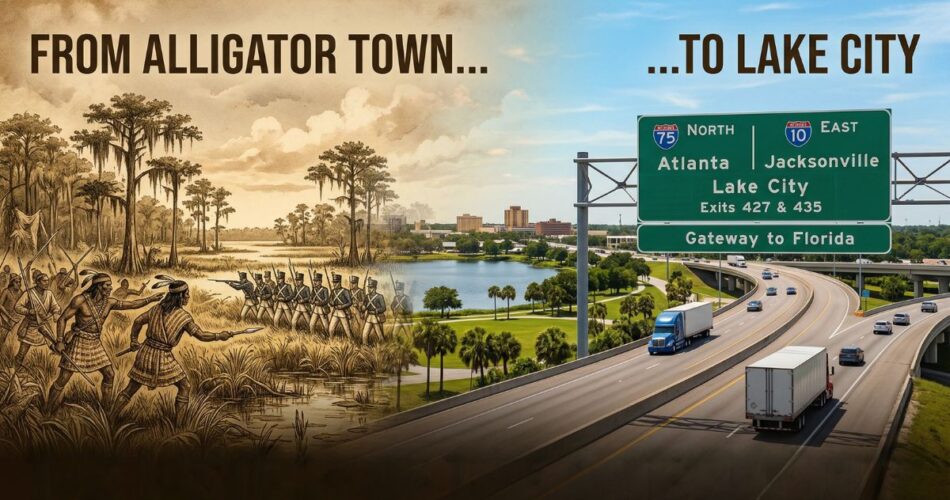
Strategically located along historical routes, Lake City, Florida, has rich roots. From Spanish cattle routes to I-75, it has a long history as the “Gateway to Florida.” Over centuries, Lake City has been relied upon for trade and travel, making it a common battleground during American wars.
However, what matters most to locals is the Florida Cracker Culture. As a native Floridian, I grew up celebrating the state’s cracklin’ cowboy pioneers and the legacy they left on the land. In this article, we explore Lake City’s sometimes complicated history.
The history of Lake City, FL:
| 1521 – 1763 | Spain’s Colonial Conquest |
| 1810 – 1842 | Seminole Settlement |
| 1859 | Lake City Name Change |
| 1840 – 2026 | Florida Cracker Culture |
| 1861 – 1865 | Civil War |
| 1860 – 1920 | Railroads open the gateway |
| 1950 – 2002 | Wetland Restoration |
| 2026 | Lake City Today |
Spain’s Colonial Conquest Becomes Florida’s 17th-Century Cattle Frontier

North Florida was a strategic spot for the Spanish Crown’s supply chain, vital for beef and hide trade. They utilized cattle ranching to sustain their colonies and fortify their defenses.
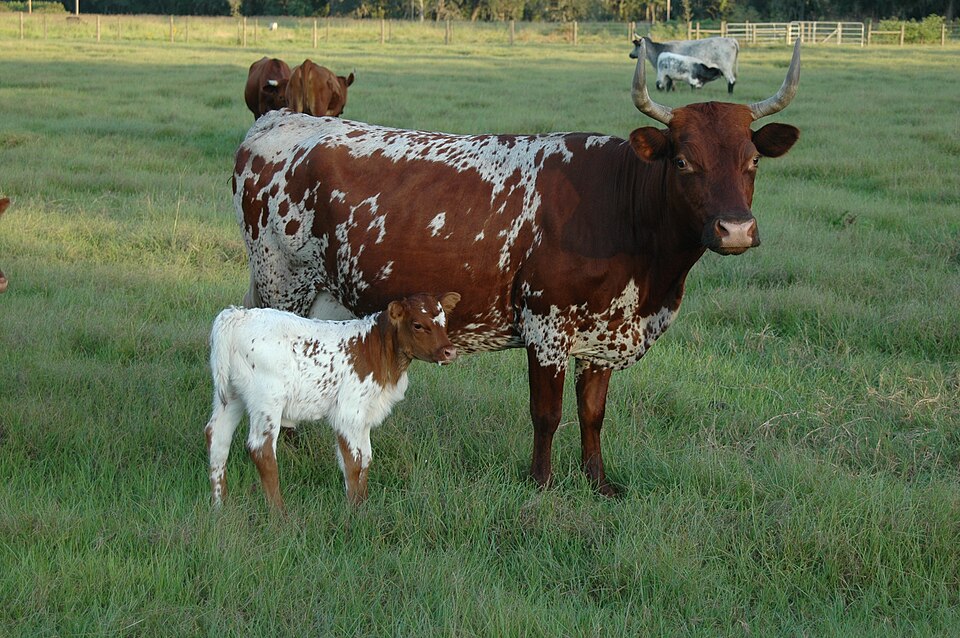
In 1521, Juan Ponce de León brought the first Andalusian cattle to Florida. He did so during his second expedition. Those hardy Spanish cows are the ancestors of today’s Florida Cracker Cattle.
Spanish Missions in North Florida

Mission-based infrastructure is a system of buildings, roads, and farms built by the Spanish to convert indigenous populations to Catholicism and achieve colonial control. The system originated from the Spanish Patronato Real—an agreement between the Pope and the Spanish Crown.
As a result of their missions, the Spanish settled and controlled territories in the New World, while extracting resources from the land. For example, The Mission San Martín de Timucua (established in 1608 at what is now Ichetucknee Springs in Columbia County) was a major center where the Spanish taught cattle ranching to locals.
Southern Shalom: Some of Florida’s first settlers were Crypto-Jews, looking for refuge during the Spanish Inquisition.
Spain Ignites Florida Cracker Culture
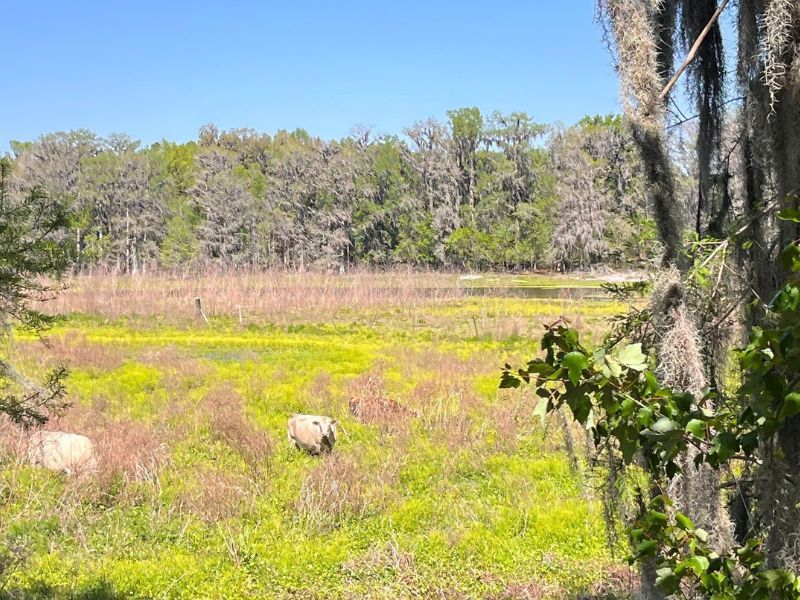
Unlike the fenced farms of Europe, Spanish Florida utilized a highly organized ranging system. Cattle roamed freely through the pine flatwoods and marshes, creating a new profession to herd them, known as “Cowhunters.” This was the predecessor to Florida Cracker culture.
By the end of the 17th century, Spanish documents recorded 34 privately owned ranches and over 20,000 head of cattle across the Florida interior. Lake City served as a vital herding corridor in early Florida’s cattle trail. This “Royal Road” connected missions in St. Augustine to those in Tallahassee.
The cattle trail ripped right through Lake City, making the town key to transporting cows, hides, tallow, and beef. Similar to today, where it’s a popular stop off for snow birds traveling on I-75.
Alpata Telophka: The Legacy of Chief Alligator Warrior
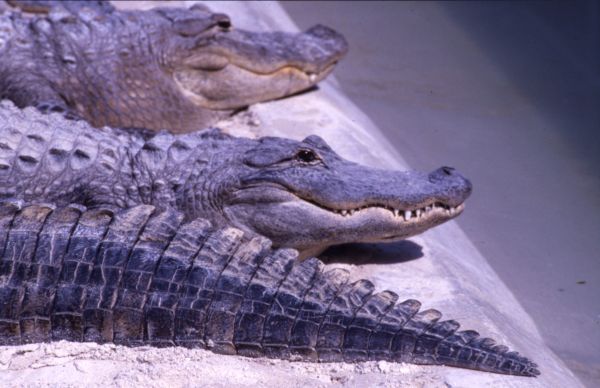
Before Lake City became a snowbird stop-off, it was a Seminole settlement called Alligator Town. Well, the Seminoles actually called it Alpata Telophka (also spelled Halpata Talofa). Halpata is the Muskogee word for alligator, and Talofa/Telophka means town or village. Thus, the name translates to, “Alligator Town”.
The village was ruled by Halpatter Tustennuggee, known to the Americans as Chief Alligator. He was of Eufaula Creek lineage but migrated to Florida following the Creek War of 1814. Soon he became a premier leader of Florida’s Seminoles.
Chief Gator was a mighty warrior with a hearty helping of chutzpah. His fearless mastery of guerrilla warfare helped him gain massive community support. Fueled by fanfare and military expertise, he instigated the longest and most expensive “Indian War” in American history—The Second Seminole War.
Dade Massacre
Chief Halpatter Tustennuggee played a pivotal role in instigating and organizing the Dade Massacre on December 28, 1835. He and Chief Micanopy ambushed Major Francis Dade and his 110 troops. Only 3 American troops survived. The horrific attack officially started the Second Seminole War.
It was our intention to attack them on the third night, but the absence of Micanopy and Oseola prevented it. On the arrival of the latter it was agreed not to wait for Oseola, as the favorable moment would pass. Micanopy was timid, and urged delay.
Chief Halpatter Tustennuggee (The Origin, Progress, and Conclusion of the Florida War by John T. Sprague – 1848)
Historical unicorn: Alligator is one of the few Seminole leaders whose direct perspective on the war was recorded. After his surrender in 1841, he provided detailed testimonies of the battles, which remain vital primary sources for historians today.
Second Seminole War
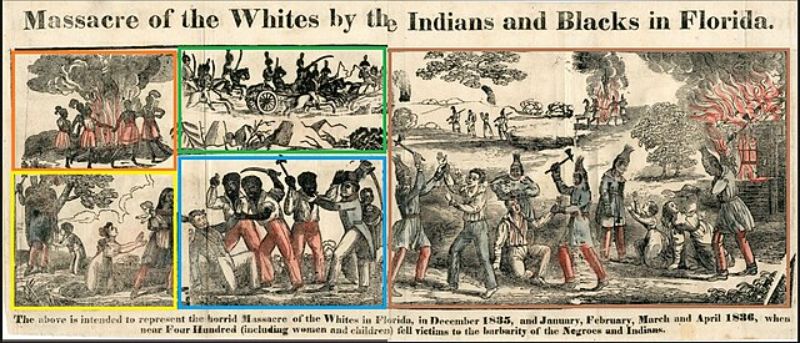
During the Second Seminole War, Alligator Town was Cheif Alligator’s primary residence. However, the U.S. army utilized it as a strategic military staging ground. They built a settlement called Fort Alligator, which acted as a vital supply depot and protection hub for white settlers throughout the Suwannee River region.
Despite the Chief’s chutzpah, he couldn’t defeat the strength of America’s military. By 1842, The U.S. claimed victory and Alligator Town officially became American territory.
Why Alligator Town Became Lake City
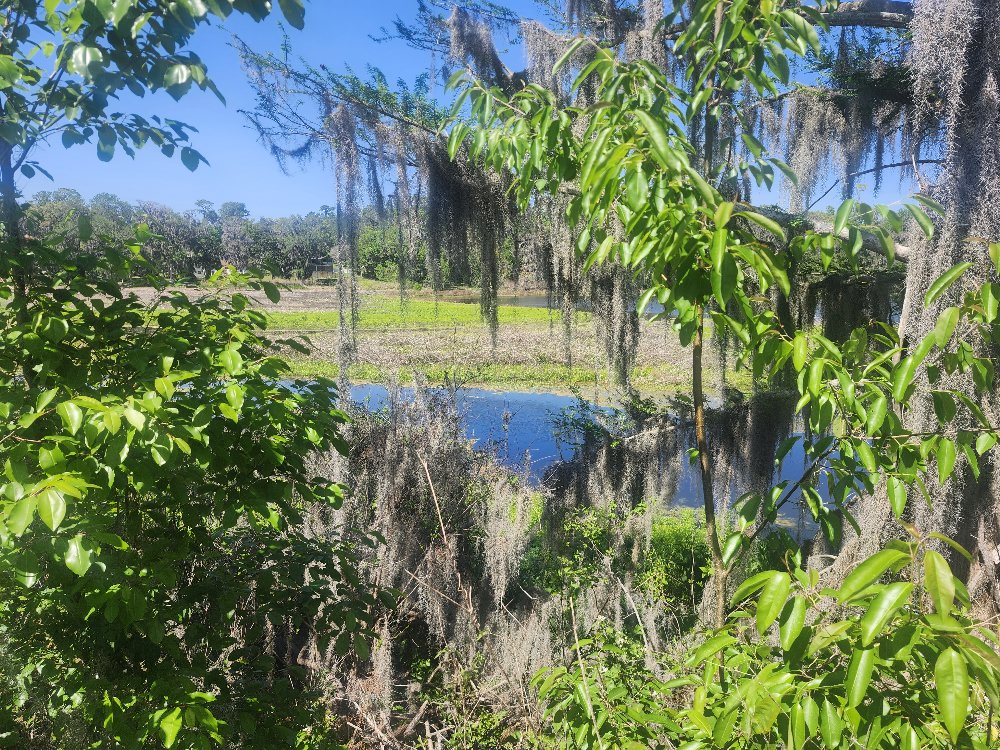
In 1859, after official incorporation, the town’s name was changed to Lake City. To incoming settlers, “Lake City” sounds more sophisticated than “Alligator Town”. Moreover, local lore says the wives of prominent businessmen found “Alligator” uncouth and demanded a name that reflected their high-society aspirations.
Whatever the reason, the name change was a smart move. It highlights the area’s 100+ lakes, helping it transition from a frontier outpost to a refined railroad hub.
Florida Cracker Culture Lives in Lake City
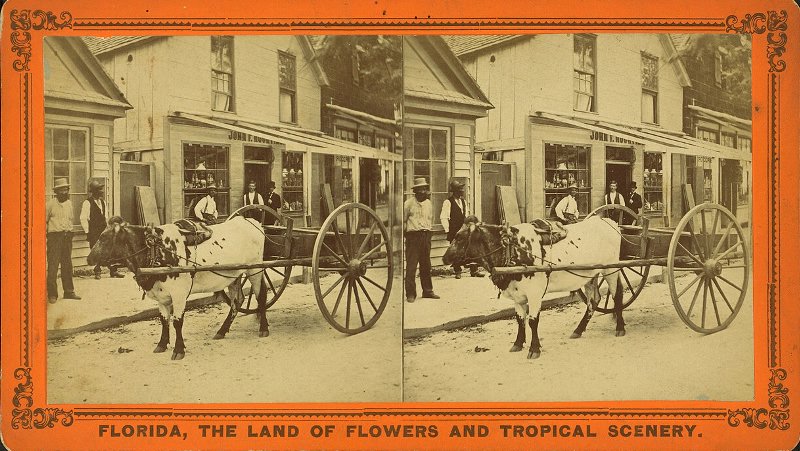
Crackers are Florida’s frontiersmen. The cowhunters who herded in scorching heat, across North Florida’s marshy grasslands.
However, Florida Cracker culture is about more than just cattle. It’s about a lifestyle and mentality. Crackers are hard-working men and women who ain’t afraid to get their hands dirty. Work hard, play hard, love the L-rd, and protect your community. When I was young, we basically called native Floridians Crackers.
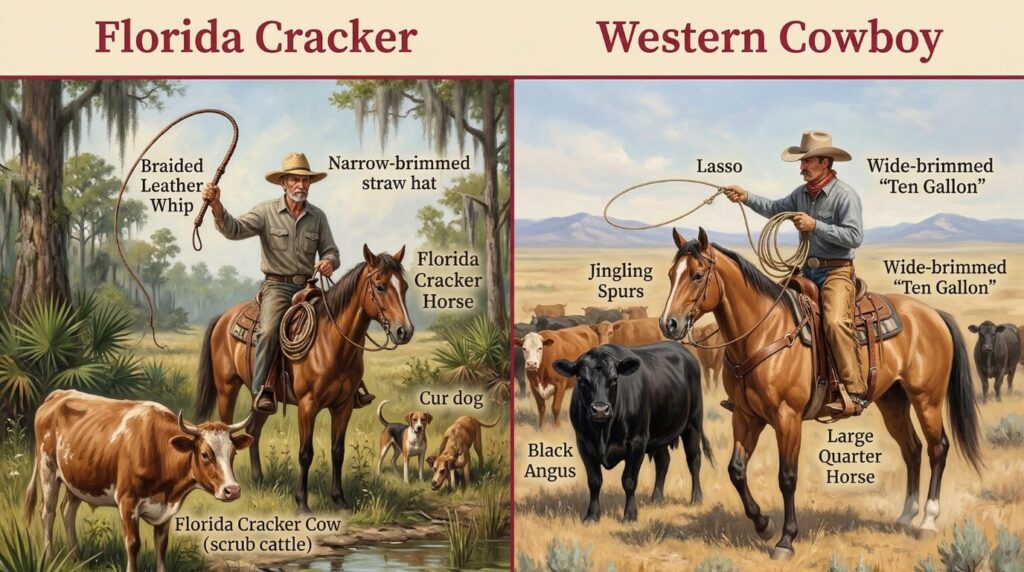
Florida Crackers Vs. Western Cowboys
| Florida Cracker | Western Cowboy | |
|---|---|---|
| Main Tool | Braided leather whip | Lasso |
| Noise | Sonic boom from the whip | Jingling spurs |
| Dog | Used cur dogs | Rarely used any |
| Horse | (Small) Florida Cracker Horses | Large Quarter Horses |
| Hat | Narrow-brimmed felt or straw | Wide-brimmed “Ten Gallon” |
| Hazards | Parasites, humidity, alligators, panthers | Dust, distance, stampedes |
Unlike Western cowboys who used lassos, Florida crackers relied on dogs and the sonic boom of 12-foot whips. The tip of the whip moved faster than 760 mph, making the crackling sound that coined the term “Cracker”.
These cracking whips made it easier for Floridians to flush cattle from the dense palmetto thickets. Its sound was used for communication, and not necessarily to strike animals.
Cracker cattle: With Spanish ancestry, the Florida Cracker Cattle are small, heat-tolerant, and resistant to the parasites found in the North Florida marshes. Their traits allowed them to thrive better than British breeds.
Today’s Columbia County Crackers
In the 1930s, most Florida Crackers adapted some western cowboy style. However, Columbia County Crackers remain much more rugged than the typical Texas cowboy. They stay steadfast, honoring their Cracker roots.
In fact, Florida was the last state to get fencing laws. Instead, it was a free range state until 1949, meaning cattle roamed wherever they pleased.
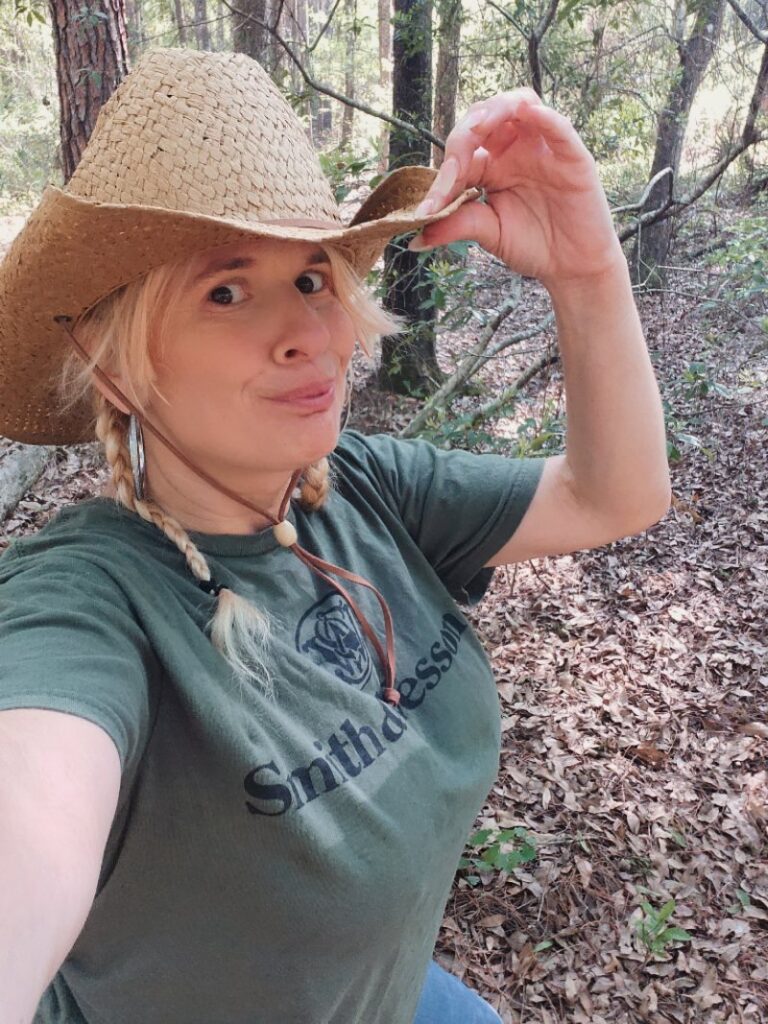
Cracker Day: Growing up in Florida, “Cracker Day” was my home town’s largest annual celebration. There was almost complete participation in the Cracker Day Parade.
Lake City Livestock: According to the USDA’s 2022 report, there are approximately 30,000 cows being ranched in Columbia County today. They are Florida’s 25th largest producer of beef and 8th for chicken & eggs.
Columbia County Crackers in the Breadbasket of the Confederacy
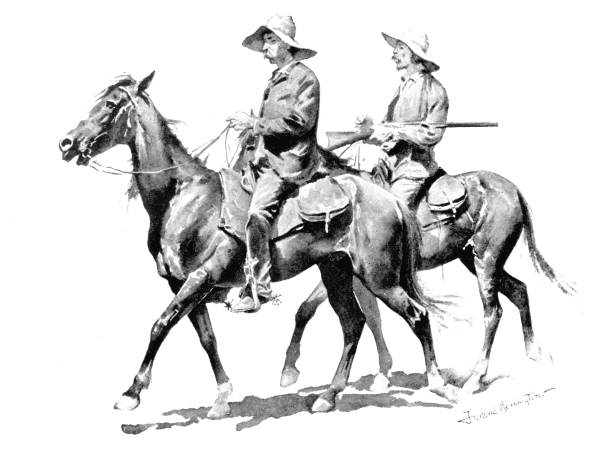
As the Civil War progressed, Florida transitioned from a remote frontier to the “Breadbasket of the Confederacy.” The Florida Crackers of Columbia County played a vital role in this transformation, serving as both the protectors and the primary source of the South’s dwindling food supply.
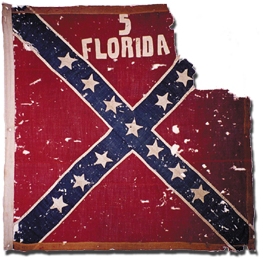
After the fall of Vicksburg in 1863, the Confederacy was cut off from Western beef. Florida became the primary supplier for the Army of Northern Virginia and the Army of Tennessee. Additionally, Lake City served as a critical rail hub for transporting these massive herds northward.
The Cow Cavalry
The 1st Florida Special Cavalry Battalion was nicknamed the “Cow Cavalry.” It was composed primarily of local Florida Crackers. Age requirements were often overlooked as long as the recruit had the specific skills needed to hunt and defend cattle.
The Cow Cavalry were highly skilled in guerrilla-style warfare. They used their knowledge of the marshes and woods to conduct hit-and-run attacks on Union foraging parties.
The Battle of Olustee (1864)
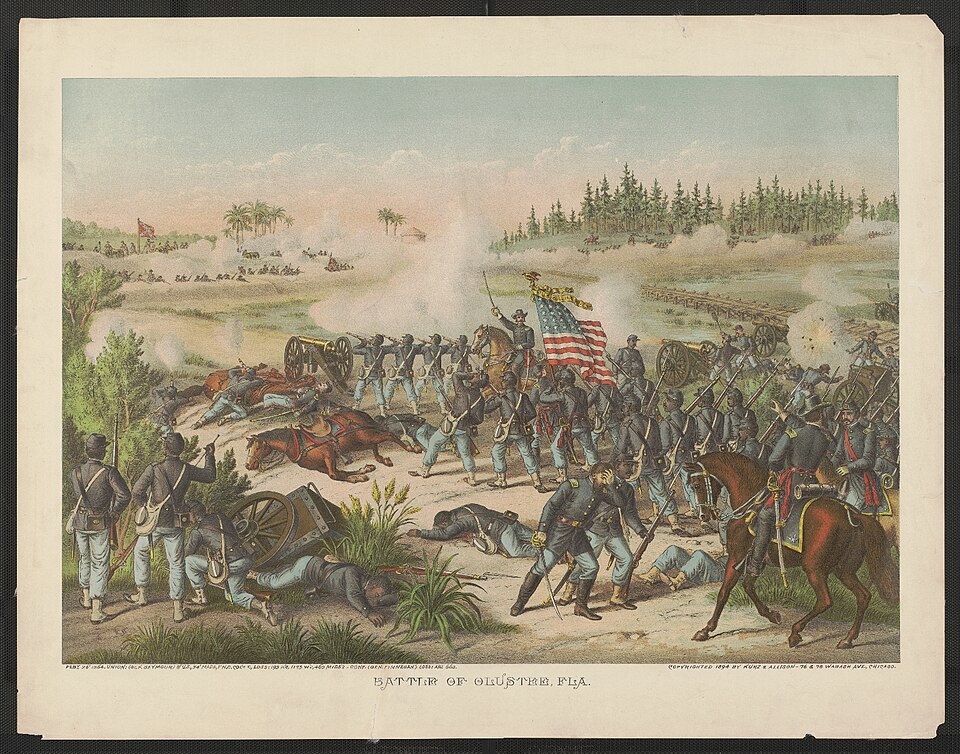
The Battle of Olustee was Florida’s largest Civil War battle. It was fought just 15 miles east of Lake City, after the North tried to disrupt the “Cracker” cattle supply line. Specifically, Union Brigadier Truman Seymour aimed to destroy the railroad bridges over the Suwannee River, then seize Florida’s beef and salt resources.
It was a long, bloody battle, but the Crackers endured, claiming a Confederate victory on February 20, 1864. Although the Yankees fought hard, the Crackers fought harder. Using guerrilla war tactics, they successfully protected their cattle and territories, resulting in a 40% casualty rate for the Union forces.
Railroads and the Gateway City
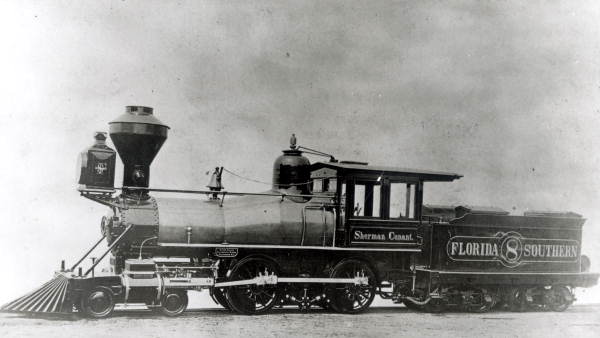
As the cattle trails became more established, Lake City transformed into a strategic transportation hub. By 1860, the Florida, Atlantic & Gulf Central Railroad connected Lake City to Jacksonville, officially making the town the “Gateway to Florida.”
During this era, Lake City wasn’t just a stop; it was the destination. The intersection of major rail lines allowed the town to dominate the trade of cotton, timber, and—most importantly—beef.
Strategic Growth: The railroad turned a frontier settlement into a refined center of commerce.
The Gateway Title: Because of its location, travelers and goods headed into the Florida interior almost always passed through Lake City. This earned it the nickname it still carries today.
From Pasture to Preservation: Lake City’s Wetland Restoration
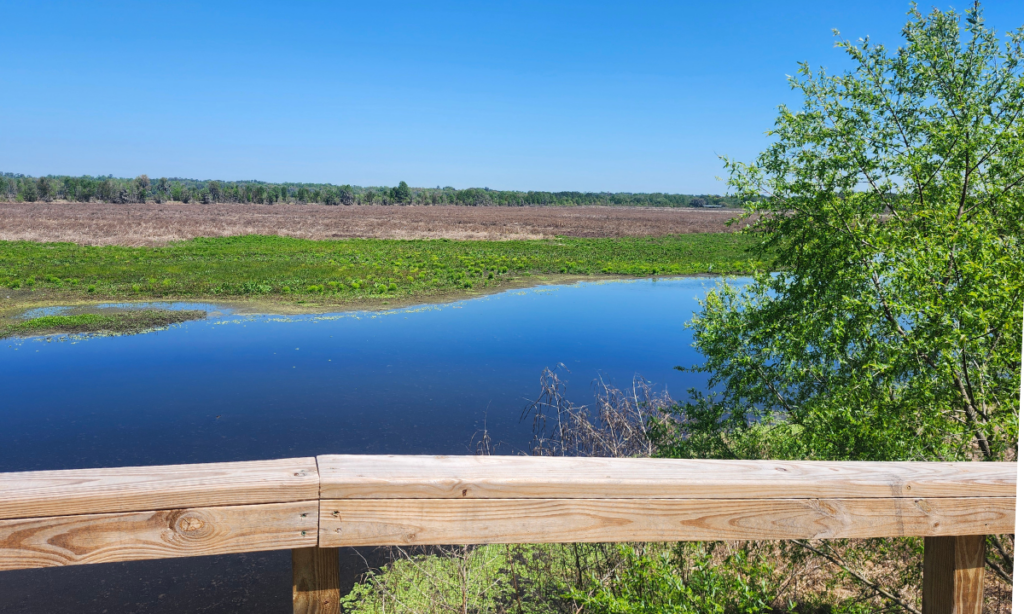
In 2002, Alligator Lake Park opened in an effort to preserve the wetland region. This initiative was funded by a Preservation 2000 grant, and it successfully reversed decades of ecological damage done to the native marshland.
Lake City Today
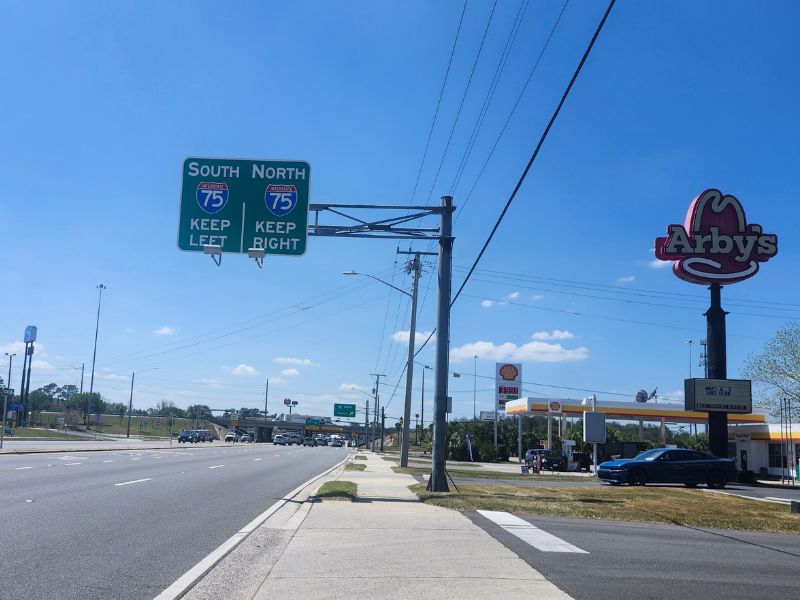
In 2026, Lake City continues to live up to its historic nickname, “The Gateway to Florida.” While the railroads of the 1800s started the trend, today it’s the intersection of I-75 and I-10 that keeps the town a vital hub for travelers and logistics.
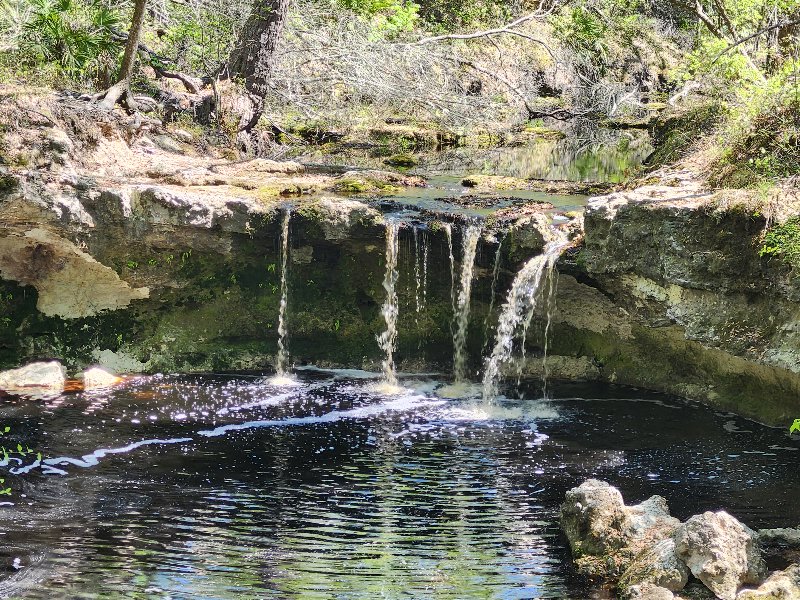
I love Lake City because it has a small town feel, natural wetland preservation, and lots of shopping! It’s a perfect balance between the quaintness of a cracker town and modern-day conveniences.
About the Author: Daisy Chain
Shalom, y’all! I’m Daisy Chain, a Florida native and technical writer building bridges with backwoods country livin’.
While the woke media tries to Yankee-wash the South’s rich roots, I’m trying to preserve the truth.
Help me share the South’s rich history with the world by supporting my Southern Shalom project:
- Buy me a beer
- Join my free Facebook Group
Your help is needed and greatly appreciated. Shalom!
Sources
- Florida Department of State: El Camino Real
- Florida Museum of Natural History: Mission San Martín
- UF/IFAS: History of the Florida Cattle Industry
- Florida Memory (State Archives)
- Seminole Tribe of Florida: Historic Seminole
- EBSCO: Seminole Wars
- John Horse Project: Alligator’s Account of the Attack
- USDA Census: Columbia County Ag Profile
- Florida Cracker Cattle Association
- Florida Historical Quarterly: Rebel Beef
- Columbia County Historical Museum